

Hungry After Eating? Blood Sugar Imbalance Could Be Why
You just finished a large, satisfying lunch. Maybe it was a big sandwich, a hearty bowl of pasta, or a plate of your favorite comfort food. You pushed your plate away feeling completely stuffed. But less than two hours later, your stomach starts to rumble again—even though you just finished eating a full meal. If this happens often and you feel hungry after eating, you may find yourself wandering into the kitchen, opening the pantry, and looking for a snack sooner than expected.
Feeling hungry after eating is a daily struggle for millions of Americans—even after finishing a large, satisfying meal. It makes sticking to a healthy lifestyle feel like an impossible uphill battle. Many people quietly wonder, why do I feel hungry shortly after eating, even when their meals seem large enough. They might ask themselves, why am I hungry all the time, even when they are eating regular meals. When you are constantly fighting your own appetite, it is easy to blame yourself. But what if your willpower has absolutely nothing to do with it?
Many people who experience constant hunger after eating are actually experiencing repeated blood sugar crashes without realizing it. If you are constantly battling an endless appetite, your body is trying to send you a crucial message. Your hunger is not a character flaw; it is a powerful biological signal. The truth is, feeling hungry right after a full meal is one of the most common, glaring warning signs of an internal metabolic roller coaster.
Here is the well-established metabolic explanation behind your daily appetite, how your hormones are being hijacked, and exactly how you can fix it.
Table of Contents
Do You Feel Hungry Again Soon After Eating a Full Meal Even When You’re Full?
We have all experienced the confusing, frustrating sensation of finishing a heavy meal and still wanting more. It usually starts with a lingering thought about a sweet dessert, but quickly turns into a physical, demanding urge for a snack.

You might notice that you need to eat something every one to two hours just to keep your energy up and avoid feeling shaky. You might experience intense cravings that return almost immediately after you leave the dining table. Most frustratingly, you might feel physically full in your stomach, but entirely unsatisfied in your brain.
When your body demands food shortly after you just provided it with plenty of calories, it means there is a severe miscommunication happening inside your bloodstream. Your digestive system and your brain are no longer speaking the same language. You can actually reset this communication using strategies similar to those explained in our guide on how to stabilize blood sugar naturally without strict dieting.
Why Am I Hungry All the Time Even When I Eat Enough?
When people ask, “why am I hungry all the time?”, they usually jump to the wrong conclusions.
Many people assume they just have a naturally “fast metabolism” that burns through food instantly. Others blame poor discipline, lack of willpower, or assume they are just emotional eaters who use food for comfort during stressful workdays. Some people even think they are just eating portions that are too small, leading them to eat massive, oversized meals that actually only make the problem worse.

While emotions and portion sizes certainly play a role in our eating habits, the real cause of constant hunger is almost always rooted in unstable glucose regulation. Your body does not measure hunger strictly by how much physical food is sitting in your stomach. It measures hunger by how much accessible energy is currently floating in your blood. If that energy is poorly regulated, your brain will think you are starving, even if you just ate a massive pizza.
How Blood Sugar Imbalance Triggers Constant Hunger Signals
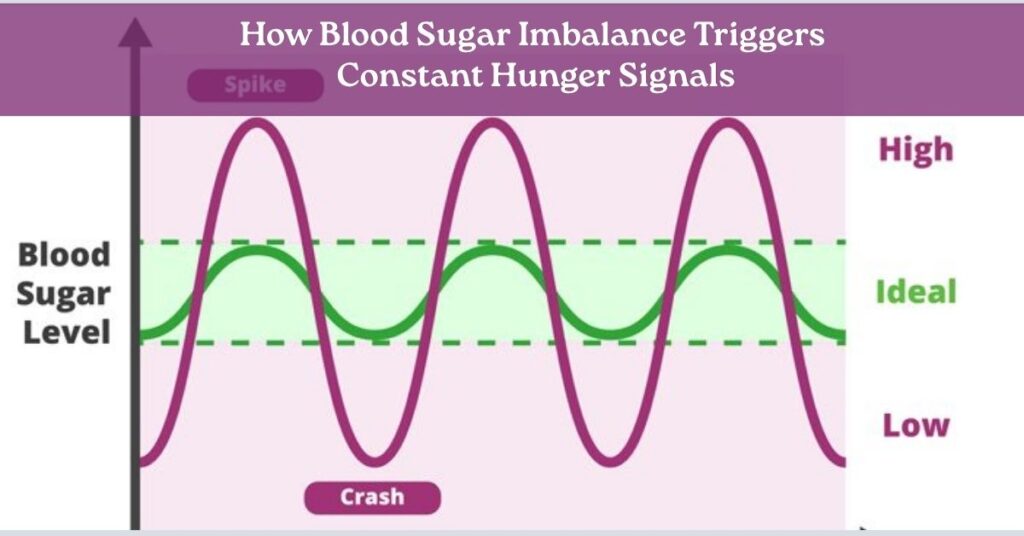
To truly understand your appetite, we have to look closely at the hunger blood sugar imbalance. When you eat a meal heavy in fast-digesting carbohydrates—like white bread, sugary cereals, flavored yogurts, or sweetened drinks—your digestive system turns that food into glucose (sugar) incredibly fast.
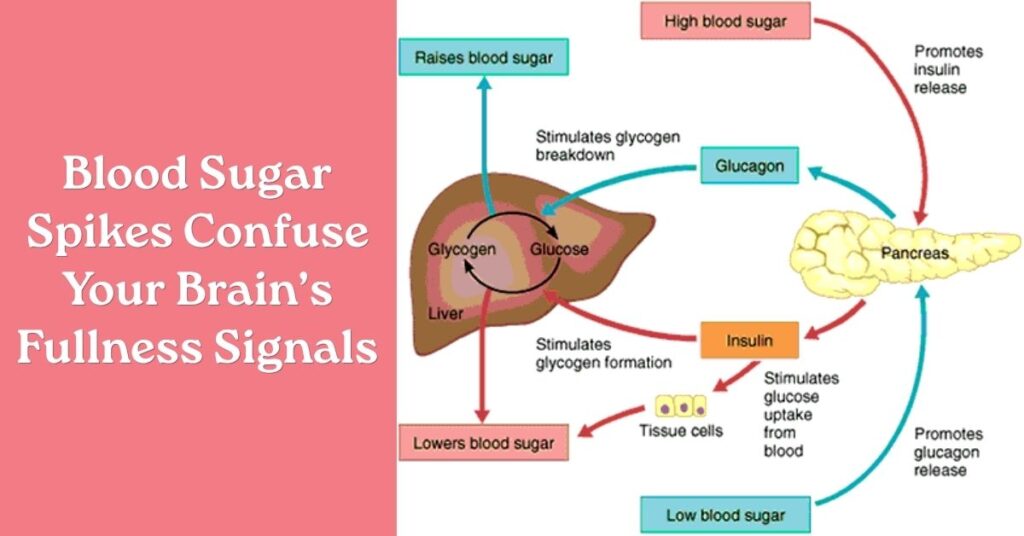
This creates a massive tidal wave of sugar that floods into your bloodstream. In response to this dangerous spike, your pancreas hits the panic button and floods your system with insulin to clear the sugar away. Because the spike was so aggressive, your body overreacts. It clears out too much sugar, too quickly. Your blood sugar levels plummet, creating a steep, sudden energy crash.
This same glucose instability is also responsible for sudden sugar cravings that many adults experience without realizing they share the same root cause with unstable glucose regulation.
Blood Sugar Spikes Confuse Your Brain’s Fullness Signals
When your blood sugar crashes, your brain immediately senses a severe fuel shortage. Your brain is a high-performance machine that relies on a steady, uninterrupted stream of glucose to survive. When it sees your blood sugar levels dropping rapidly, it does not care that you ate a massive lunch an hour ago. It genuinely believes you are running out of vital energy and flips the emergency survival switch. It sends out aggressive hunger signals, demanding that you eat more fast-acting carbohydrates to bring your energy levels back up to a safe zone immediately.
Insulin Resistance Makes Hunger Feel Stronger and More Frequent
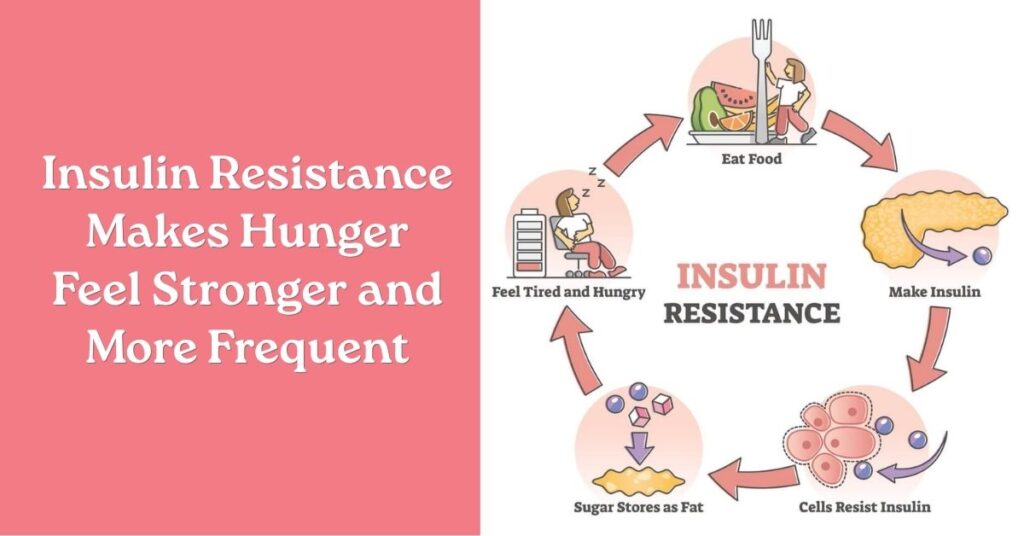
If this drastic roller coaster happens every day for years, your cells eventually get tired of the constant floods of insulin and stop responding to it. This is a condition known as insulin resistance. When your cells resist insulin, the sugar stays locked in your blood instead of getting into your cells where it is needed for energy. Because your cells are literally starving for fuel, they constantly scream at your brain to eat more food. This cellular starvation is a massive factor in unwanted weight gain, which is why it is crucial to understand how insulin resistance affects lower belly fat.
6 Signs Your Constant Hunger May Be Coming From Blood Sugar Swings
How can you tell if your appetite is driven by a normal, healthy metabolism or chaotic constant hunger causes? If your blood sugar is the culprit, you will likely recognize several of these well-recognized metabolic warning signs:
- Feeling hungry again within 1–2 hours after meals: Your meals digest too quickly, causing a rapid spike and an equally fast crash.
- Strong cravings for sweets between meals: Your brain is demanding the fastest-burning fuel available to fix a sudden energy crash.
- Energy crashes in the afternoon: Energy crashes in the afternoon (especially the common 3 PM energy crash many adults experience daily).
- Brain fog when meals are delayed: If you skip a snack or lunch is late, you feel confused, dizzy, irritable, or deeply “hangry.”
- Late-night hunger even after dinner: You eat a full, heavy dinner but find yourself digging through the pantry looking for chips or ice cream at 10:00 PM.
- Difficulty losing weight despite eating normally: High insulin levels actively block your body from burning stored fat, keeping you perpetually hungry and holding onto weight.
When these warning signs appear together, they often point to unstable glucose filtering inside the body. Some people choose targeted nutritional support strategies such as GlucoBerry to help restore a steadier internal balance throughout the day.
Why Blood Sugar Swings Make It Harder to Feel Full After Meals
If you want to stop feeling hungry all the time, you have to understand the specific hormones that control your appetite. Blood sugar swings completely hijack the communication between your gut and your brain, specifically impacting your belly fat hormones.
According to leading endocrinology research, your appetite is not controlled by your stomach stretching; it is controlled by a delicate balance of chemical messengers:
Ghrelin: The “I’m Hungry” Hormone
Ghrelin is a hormone produced primarily in your stomach. When your stomach is empty, or when your blood sugar crashes rapidly, your body pumps out massive amounts of ghrelin. This hormone travels straight to your brain and creates that intense, physical gnawing feeling that tells you to eat immediately. When your blood sugar is unstable, your ghrelin levels remain artificially high all day long.
Leptin: The “I’m Full” Hormone
Leptin is the exact opposite of ghrelin. It is produced by your fat cells and tells your brain, “We have plenty of stored energy, you are safe, and you can stop eating now.” Leptin is the hormone responsible for making you feel satisfied and content after a good meal.
The Insulin Blockade and Leptin Resistance
Here is where the blood sugar problem becomes severe. When your blood sugar is constantly spiking and crashing, your body produces chronically high levels of insulin. High insulin actually physically blocks your brain from receiving the leptin signal.
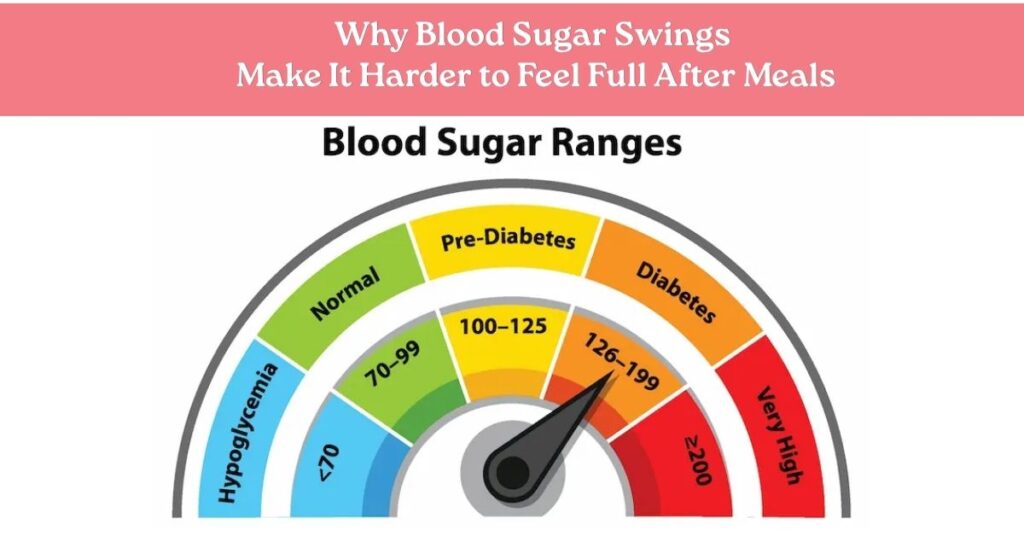
This dangerous condition is called leptin resistance. Your stomach could be physically stuffed with food, and your body could have plenty of stored fat to use for energy, but because high insulin is blocking the signal, your brain never hears the message that you are full. Your brain assumes you are starving, so it keeps ghrelin levels high. You are trapped in a biological loop of endless, exhausting hunger.
How Stabilizing Blood Sugar Helps Reduce Hunger Naturally
The good news is that you do not have to fight your appetite with pure willpower forever. When you focus on stabilizing your blood sugar naturally, incredible things happen to your hunger levels.
By keeping your blood glucose in a smooth, steady, flat range, you completely prevent the massive insulin surges. When insulin stays low and calm, the biological blockade is lifted. Your brain can finally communicate properly with your stomach. You will experience steady, reliable energy throughout the entire day. Your brain will no longer hit the panic button, which is exactly why sugar cravings often follow blood sugar crashes.
When you successfully step off the blood sugar roller coaster, you will find that you stay full for four, five, or even six hours after a meal. The desperate, shaking urge to snack simply vanishes, and you regain total control over your diet.
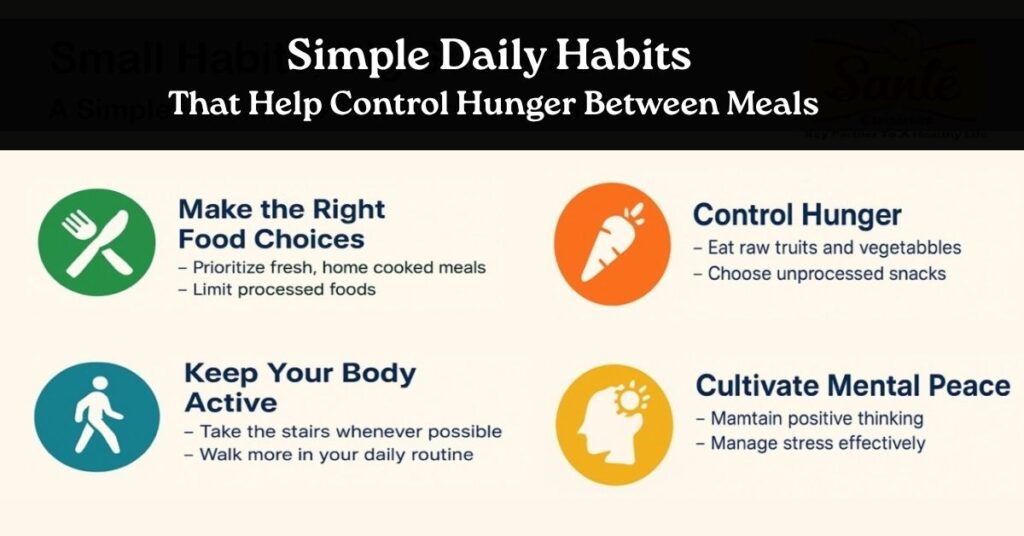
Simple Daily Habits That Help Control Hunger Between Meals
You can take authoritative, natural control over your appetite by changing how you structure your daily meals and routines. Here are the most effective, science-backed habits to keep your blood sugar steady and your hunger at bay.
1. Prioritize Protein Timing at Breakfast
Never eat a carbohydrate without a heavy dose of protein, especially first thing in the morning. A breakfast of plain toast or a bagel sets you up for a day of crashes. Protein takes significant time and energy to digest. Eating 20 to 30 grams of high-quality protein (like eggs, turkey sausage, or Greek yogurt) acts as a biological speed bump. It drips the energy from your food into your blood slowly, keeping you full for hours.
2. Increase Daily Fiber Support
Fiber creates a thick, physical mesh in your digestive tract that traps sugars and drastically slows down their absorption into your bloodstream. Eating a side salad before your main course, adding chia seeds to your morning routine, or prioritizing broccoli and leafy greens flattens your blood sugar curve and keeps ghrelin (the hunger hormone) suppressed.
3. The 10-Minute Post-Meal Walk
Instead of sitting on the couch to watch television right after eating, take a gentle 10-minute walk. Your moving muscles act like biological sponges, soaking up the excess sugar in your blood without needing insulin. This prevents the massive spike and the hunger-inducing crash that follows.
4. Protect Your Sleep Consistency
Just one night of poor sleep makes your cells highly resistant to insulin the very next day. Lack of sleep also artificially raises your ghrelin levels while lowering your leptin levels—a recipe for disaster. Prioritizing 7 to 8 hours of uninterrupted sleep is one of the most powerful things you can do to wake up with a calm, manageable appetite.
5. Hydration and Mineral Balance
Your brain frequently confuses mild dehydration for hunger. Before you reach for a snack, drink a tall glass of water with a pinch of high-quality sea salt. The hydration and trace minerals support healthy cellular function, improve blood volume, and often make the fake “hunger” vanish completely within fifteen minutes.
Why Some People Still Feel Hungry Even with a Healthy Diet and Regular Meals
Sometimes, even when you eat plenty of protein, walk after meals, and get great sleep, that nagging, persistent hunger still lingers in the background.
This happens because modern metabolic stress can cause hidden, underlying insulin resistance that takes time to reverse. Decades of eating the standard American diet can make your cells incredibly stubborn. Furthermore, as we age, the kidneys play a lesser-known role in filtering excess glucose from the bloodstream, and when this filtration pathway slows down, blood sugar can remain elevated longer than it should.
Your kidneys have a natural, built-in pathway designed to drain away excess glucose through your urine. If this pathway is sluggish or unsupported, sugar stays trapped in your blood, insulin stays chronically high, and your brain remains completely blocked from feeling full.
When Constant Hunger Is a Blood Sugar Warning Sign You Should Not Ignore
It is vital to listen to your body. Constant hunger is rarely an isolated issue; it usually travels with a pack of other uncomfortable, exhausting symptoms.
If your endless appetite is accompanied by afternoon energy crashes, a widening waistline, intense sugar cravings, or severe brain fog after you eat, your body is sounding a loud alarm. These are early warning signs your blood sugar needs better daily support. Ignoring these signs and trying to “just diet harder” will only create more metabolic stress and frustration. Recognizing that your hunger is deeply tied to glucose regulation is the first, most important step toward true healing.
When food timing and lifestyle improvements are not enough on their own, targeted metabolic support can make a meaningful difference.
A Natural Way to Support Healthy Blood Sugar and Reduce Constant Hunger
When hunger signals stay elevated despite lifestyle improvements, it usually means the internal glucose-regulation system needs deeper support.
Consistently choosing perfectly balanced meals is the ultimate goal, but real life is busy and demanding. Even with a healthy diet, daily stress, poor sleep, and environmental factors can still make blood sugar harder to regulate consistently. The longer unstable glucose patterns continue, the harder it becomes for your body to regulate hunger naturally.
This is why many health-conscious adults are turning to targeted, natural nutritional support to bridge the gap. Natural supplements like GlucoBerry are specifically designed to reinforce your internal metabolic systems.
GlucoBerry is not a magic appetite suppressant or a harsh stimulant. Instead, it works by supporting the kidneys’ natural glucose filtration pathway sometimes called the body’s metabolic drainage system. It helps flush away excess sugar before it can trigger the massive insulin surges that block your fullness hormones. When your internal environment is calmly balanced and your body’s natural drainage system is fully supported, you finally give your brain the chance to register that you are full, satisfied, and energized.
Want to know if it’s worth it? Check the latest GlucoBerry reviews (2026) and see how it works, what’s inside, and today’s official pricing.
Frequently Asked Questions About Constant Hunger
To help you fully understand the deep connection between your appetite and your metabolism, here are detailed answers to the most common questions about constant hunger.
Why am I hungry an hour after eating oatmeal or cereal?
Oatmeal and cereal are very high in fast-digesting carbohydrates. Even “healthy” whole-grain cereals digest quickly into pure glucose. If you do not pair them with a heavy dose of protein and healthy fats (like eggs or a protein shake on the side), they will cause a rapid blood sugar spike followed by a severe crash, leaving you starving and shaking an hour later.
Can drinking too much coffee make me feel hungry?
Yes. Drinking black coffee on an empty stomach triggers the release of cortisol (your primary stress hormone). Cortisol prompts your liver to release stored emergency sugar into your blood, which creates a sharp insulin response. When that sugar is cleared away, you experience a blood sugar crash that triggers intense, gnawing hunger signals, even though you haven’t eaten anything yet.
Is it normal to wake up hungry in the middle of the night?
No. Late-night hunger is one of the most overlooked reactive hypoglycemia symptoms linked to blood sugar crashes. It usually means the meal you ate for dinner was too heavy in carbohydrates and caused a blood sugar crash while you were sleeping. Your brain panicked at the lack of fuel and woke you up to demand food. Eating a dinner balanced with heavy protein and healthy fat can prevent this nighttime disruption.
How long does it take to fix leptin resistance and feel full again?
When you start balancing your blood sugar by eating protein-rich meals, moving after eating, and reducing fast-digesting carbohydrates, you can often feel a noticeable shift in your appetite and cravings within just one to two weeks. As your chronically high insulin levels finally begin to drop, your brain regains its sensitivity to the fullness hormone, and your natural appetite is restored.
Stabilizing blood sugar is one of the most powerful steps you can take to improve energy levels, reduce cravings, support healthy weight balance, and feel satisfied between meals again.
Final Thought: Your Hunger Signals May Be Trying to Tell You Something Important
Your body is an incredibly smart, highly evolved machine. It does not send out hunger signals just to annoy you, test your willpower, or ruin your diet. Your hunger signals are vital, life-saving messages. Constant hunger is often closely connected with sugar cravings, afternoon energy crashes, and stubborn belly fat—all signs that your blood sugar rhythm may need support.
These same unstable glucose patterns are also responsible for many early warning symptoms people ignore for years before realizing their blood sugar rhythm needs attention, including persistent cravings, unexplained belly fat changes, and sudden afternoon energy crashes.
If you are constantly battling an endless appetite, it is time to stop viewing it as a weakness of character. Instead, look at it as a clear, urgent request from your metabolism. Your body is asking for stability and balance. By understanding the profound connection between your blood sugar, your hormones, and your brain, you can take your power back.
Focus on balancing your meals with the right nutrients, staying hydrated, moving your body daily, and exploring gentle metabolic support when needed. When you finally step off the blood sugar roller coaster, the urgent, demanding voice of constant hunger can begin to quiet down—leaving you with steadier energy, better control over your health choices, and a stronger sense of confidence in how your body feels each day.