

7 Morning Routine for Blood Sugar Control (7 Steps for Stable Energy All Day)
Struggling with morning energy crashes, sugar cravings, or brain fog after breakfast? Your morning routine for blood sugar control could be the hidden cause — and fixing it can completely transform your energy, focus, and cravings throughout the day.
If you wake up feeling okay and then crash by 10:30 AM — foggy, exhausted, and already craving something sweet — you are not alone. For tens of millions of people, this daily cycle of unstable blood sugar levels and mid-morning energy collapse is one of the most common and least-addressed metabolic complaints in modern life.
This pattern has very little to do with willpower or poor sleep. The real culprit is a morning routine that quietly sets off a metabolic chain reaction before the first work call even begins. You might already be eating what looks like a “healthy” breakfast — oatmeal, whole-grain toast, fruit juice — and still hitting that brutal mid-morning wall.

That exhaustion and frustration after breakfast is often a direct sign of how your first few choices of the day are affecting your blood sugar control. If you’ve been noticing signs like fatigue after eating, constant sugar cravings, or that heavy, sluggish feeling after your morning meal, it’s worth understanding why you feel tired after eating, recognizing the early signs of high blood sugar, and avoiding the worst breakfast foods that spike blood sugar.
If you’re experiencing these symptoms regularly, you may also want to read:
- Why you feel tired after eating
- Early signs of high blood sugar
- Brain fog after eating and what it means
- What causes constant sugar cravings
- Why you feel hungry again after eating
- How to stabilize blood sugar naturally
- Worst breakfast foods that spike blood sugar
- Complete diabetes diet plan for better blood sugar control
These related guides will help you better understand the root cause behind your energy crashes, cravings, and unstable blood sugar throughout the day.
The good news? The fix doesn’t require a strict diet overhaul or an intense exercise program. It starts with small, strategic morning habits that work with your biology rather than against it. This guide shows you exactly how to stabilize blood sugar naturally from the moment you wake up, so you can build steady, reliable energy that actually lasts all day long.
These strategies are based on established principles from nutrition science, insulin response research, and circadian biology — applied specifically to how the American lifestyle creates morning metabolic vulnerability.
Table of Contents
Morning Routine for Blood Sugar Control (Quick Summary)
A morning routine for blood sugar control is a structured set of daily habits — hydration, movement, protein-first eating, fiber sequencing, and sunlight exposure — designed to stabilize glucose levels from the moment you wake up, reducing energy crashes, sugar cravings, and the metabolic volatility caused by the body’s natural cortisol peak at waking.
What this routine does:
- Reduces blood sugar spikes in the morning
- Supports steady energy and helps control cravings
- Improves how your body handles glucose throughout the day
How it works:
- Hydration dilutes overnight glucose concentration
- Light movement activates GLUT4 muscle glucose uptake
- Protein + fiber slows carbohydrate absorption and prevents sharp spikes
Bottom line: Your first 60 minutes after waking can either stabilize your blood sugar or trigger energy crashes. Small changes here create noticeable results within days.

How to Stabilize Blood Sugar Naturally in the Morning
Why Your Morning Is the Most Important Time for Blood Sugar
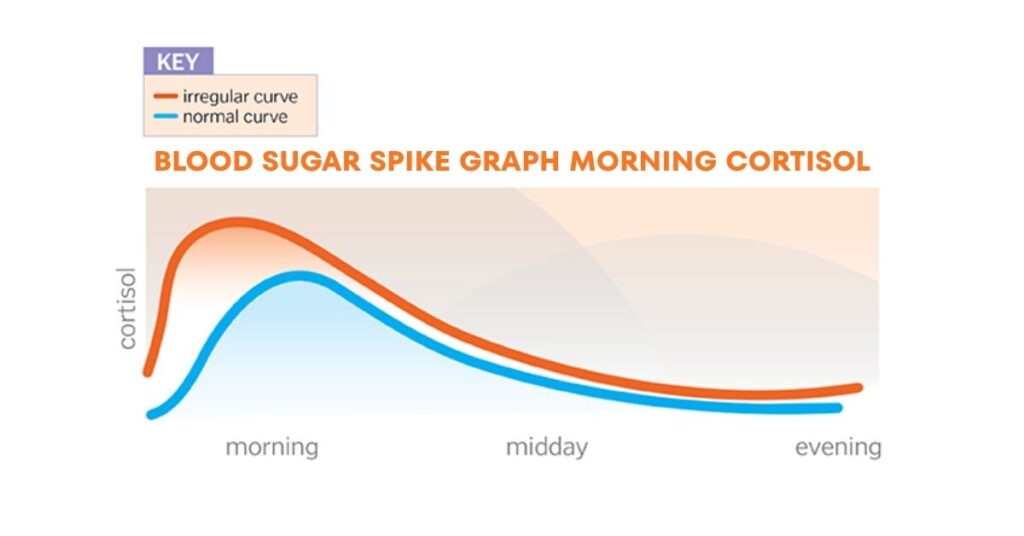
Your morning is the highest-leverage metabolic window of the day because cortisol — the body’s natural wake-up hormone — temporarily reduces insulin sensitivity at waking, meaning your blood sugar is most vulnerable to spiking in the first hour after you rise.
As your body approaches the waking hour, it releases a natural surge of cortisol and growth hormone to prepare you for movement. This is completely normal — but it comes with a metabolic side effect. Cortisol temporarily makes your cells more resistant to insulin. At the same time, your liver releases a small glucose boost into the bloodstream to get you ready for the day ahead.
This combination — elevated glucose plus reduced insulin sensitivity — is known as the Dawn Phenomenon. It is a natural biological process, not a disease. But if your breakfast pours more glucose on top of an already primed system, the result is a sharp blood sugar spike followed by a crash that defines the rest of your morning.
⭐ Quick Insight: What causes morning energy crashes? Morning crashes happen when cortisol-driven insulin resistance meets a high-carb breakfast — the combination spikes blood glucose fast and drops it just as quickly, leaving you foggy, hungry, and exhausted before noon.
The most important thing to understand: your first choices after waking either calm this system or make it significantly worse. By building a morning routine around how your body actually works, you can step off the energy roller coaster entirely. That is exactly what the 7 steps below are designed to do.
The 7-Step Morning Routine for Stable Blood Sugar All Day
The 7-step morning routine for stable blood sugar combines hydration, light movement, delayed caffeine, protein-anchored breakfast, fiber-first eating, stress management, and natural sunlight exposure — applied in sequence within your first hour of waking.
⭐ Quick Action Summary:
- Drink water before anything else
- Move your body within 10 minutes
- Delay caffeine 30–60 minutes
- Eat a protein-anchored breakfast
- Eat fiber before carbohydrates
- Manage morning stress actively
- Get 10–20 minutes of natural sunlight
Step 1 — Drink Water Immediately After Waking
Drinking water first thing in the morning is one of the simplest and fastest ways to support healthy blood sugar from the very start of your day. After 7–8 hours of sleep, your body is mildly dehydrated. When blood volume drops, the concentration of glucose in your bloodstream naturally rises — meaning you are already waking up with higher blood sugar before you take a single bite of food.

Drinking 16–24 ounces of filtered water right away helps dilute that concentrated glucose and gives your kidneys a head starts at clearing it naturally. It also primes your digestive system for the meal ahead and helps reduce the morning appetite for sugary drinks that many people reach for out of habit.
What to do: Keep a large glass of water on your nightstand. Drink it before your phone, before coffee, before anything else.
Step 2 — Light Movement Within 10 Minutes of Waking
A short burst of gentle morning movement activates your muscles’ ability to absorb glucose directly from the bloodstream — without requiring a large insulin response. This works because of a protein called GLUT4, a glucose transporter that moves to the surface of your muscle cells during physical activity. When GLUT4 is active, your muscles can pull glucose directly from your blood, lowering blood sugar naturally and efficiently.
You do not need to work out hard to trigger this effect. A 10-minute walk, some dynamic stretching, bodyweight squats, or even marching in place is enough to activate GLUT4 and begin metabolic priming. As a bonus, morning movement also naturally supports healthy body composition by training your body to use glucose as fuel rather than store it.

What to do: Walk around the block, stretch, or do 10 minutes of light movement before sitting down for breakfast.
Step 3 — Delay Caffeine by At Least 30–60 Minutes
Drinking coffee immediately on an empty stomach worsens the cortisol spike your body is already experiencing at waking. Caffeine triggers the release of additional cortisol and adrenaline — both of which further reduce insulin sensitivity during the critical morning window. If you then eat a carbohydrate-heavy breakfast or drink a sugary coffee beverage, you are compounding an already compromised metabolic system.
The result is a rapid glucose spike, an aggressive insulin response, and then a hard crash — often the exact blood sugar crash after eating that leads to brain fog, fatigue, and the persistent sugar cravings that define most people’s mornings.

What to do: Wait at least 30–60 minutes after waking before your first coffee. Have your water and morning movement first. Avoid sweetened coffee drinks entirely.
Step 4 — Eat a Protein-Rich Breakfast
Protein is the most metabolically stable macronutrient you can eat in the morning. It triggers a minimal insulin response on its own and keeps you full and mentally focused for hours. When your breakfast is anchored in protein, you slow the absorption of any carbohydrates eaten alongside it and support a significantly flatter, more stable blood sugar curve throughout the morning.
Aim for 20–30 grams of protein in your first meal. The best foods that stabilize blood sugar in the morning include:
- Whole eggs (2–3 eggs – 18g protein)
- Cottage cheese (½ cup – 14g protein)
- Plain Greek yogurt, unsweetened full-fat (- 17g protein)
- Smoked salmon or canned tuna
- Chicken or turkey breast leftovers from dinner
This isn’t about going low-carb — it’s about controlling how your body responds to carbs. Protein comes first, so your blood sugar response to everything else is naturally buffered and slowed.

If you’re looking for structured meal planning, a complete diabetes diet plan for better blood sugar control can help you build consistent daily habits.
What to do: Build your breakfast plate around a protein source first. Add vegetables and healthy fats next. Carbohydrates come last, and only after fiber is already in your system (see Step 5).
Step 5 — Eat Fiber Before Your Carbohydrates
The order in which you eat your food matters more than most people realize. Fiber eaten before carbohydrates creates a physical barrier in your digestive tract that significantly slows glucose absorption — and research on food-order eating patterns has demonstrated measurably flatter post-meal glucose curves as a result.
When you consume soluble fiber before carbohydrates, it forms a gel-like layer in your gut that physically slows the rate at which sugar enters your bloodstream. Even something as simple as spinach on the side of your eggs, chia seeds in water, or half an avocado before your toast makes a real, measurable difference.
Good morning fiber sources include:
- Leafy greens — spinach, arugula, kale
- Chia seeds or ground flaxseeds
- Avocado
- Raw cucumber or bell pepper strips
- Berries in moderation

What to do: Start your breakfast with a small serving of vegetables, avocado, or seeds — before any grain, bread, or fruit. This simple sequence can noticeably reduce post-meal fatigue within days.
Step 6 — Manage Morning Stress Before It Manages You
Stress is one of the most overlooked and underestimated causes of blood sugar spikes — and the morning is when most Americans are at their most reactive to it. The moment you wake up and check your inbox, scroll through stressful news, or jump immediately into problem-solving mode, your body releases cortisol and adrenaline.
These hormones signal your liver to release emergency glucose into your blood. Your body’s interpretation is that you are facing a physical threat and need fuel. The problem is that you are sitting at a kitchen table, not running from danger. That glucose has nowhere to go, so it simply accumulates in your bloodstream and elevates your morning reading before breakfast even begins.

Five minutes of deliberate calm before the day’s chaos can meaningfully change your entire metabolic response. Techniques like 4-7-8 breathing, gentle journaling, or simply sitting quietly without a screen can measurably lower cortisol levels and improve your body’s ability to use insulin efficiently throughout the morning.
What to do: Set a “no screens for 10 minutes” rule immediately after waking. Breathe. Drink your water. Let your nervous system settle before the day begins.
Step 7 — Get Natural Sunlight Within the First Hour
Morning sunlight exposure is a powerful and widely underutilized tool for circadian rhythm regulation — and your circadian rhythm directly controls your insulin sensitivity. When natural light hits your eyes, it signals your brain to halt melatonin production and synchronize your internal biological clock.
A well-regulated circadian rhythm improves sleep quality, reduces nighttime cortisol, and meaningfully supports insulin sensitivity the following morning. Understanding how sleep and blood sugar are connected reveals why people who sleep poorly tend to have worse glucose readings the next day — and why morning sunlight is part of a comprehensive blood sugar management approach, not simply a wellness trend.

What to do: Step outside for 10–20 minutes in the morning. Skip sunglasses for the first few minutes. Even on overcast days, outdoor light is far brighter than indoor lighting and still effectively signals your circadian system.
Best Breakfast for Blood Sugar Control
These simple, real-world breakfast combinations follow the protein + fiber + carb sequence and are easy to prepare on any morning schedule:
- Eggs + sautéed spinach + 1 slice whole-grain toast
- Greek yogurt + chia seeds + fresh berries
- Cottage cheese + cucumber slices + handful of mixed nuts
- Omelette with vegetables + avocado + small fresh fruit portion
If you’re unsure what to avoid in the morning, check this detailed guide on worst breakfast foods that spike blood sugar—it will help you make smarter choices that support blood sugar stability and keep you full and energized for hours without triggering a spike-and-crash cycle.

You can also explore more practical meal ideas in this guide on low carb breakfast recipes and ideas for stable energy.
How to Avoid Blood Sugar Spikes After Breakfast
Common Morning Mistakes That Spike Blood Sugar (And How to Avoid Them)
Avoiding the most common morning blood sugar mistakes is just as important as building good habits. Here are the three patterns that quietly undermine metabolic health for millions of Americans every single day.
Mistake 1 — Skipping Breakfast
Many people think skipping breakfast is a smart way to rest their insulin system. For some, structured intermittent fasting does work well. But for many Americans who are not yet metabolically adapted to it, skipping breakfast means spending the entire morning fighting elevated cortisol with no nutritional buffer in place.
By the time lunch arrives, hunger is intense, willpower is depleted, and the result is reaching for fast carbohydrates, oversized portions, and triggering the exact blood sugar volatility skipping was supposed to prevent. Many people also find themselves feeling hungry again shortly after eating later in the day — a classic indicator of glucose instability driven by an unanchored morning.
Mistake 2 — Starting the Day with a Sugary Coffee Drink
Liquid sugar is the most dangerous form of glucose because it contains no fiber, no protein, and nothing to slow its absorption into the bloodstream. An iced caramel latte or sweetened oat milk coffee beverage can spike blood sugar faster than a candy bar — and it hits before your body has even completed its metabolic warm-up.
This is one of the most common worst breakfast choices for blood sugar that looks completely harmless in daily life but creates significant metabolic disruption over time. The resulting crash frequently shows up as brain fog after eating or an urgent need for a second coffee before 11 AM.
Mistake 3 — Sitting Completely Still After Breakfast
After you eat, blood glucose naturally rises as food is digested and absorbed. If you sit completely still during this window, that glucose has no outlet — it accumulates in your bloodstream, demands more insulin, and sets off the crash cycle. Even a 5 to 10 minute walk after breakfast can significantly flatten your post-meal glucose curve and prevent the afternoon energy crash that derails afternoon productivity for so many Americans.

Many of these mistakes come from choosing foods that look healthy but actually spike glucose — see the full breakdown of worst breakfast foods that spike blood sugar.
How Long Until You See Real Results?
Most people are surprised by how quickly a structured morning routine creates noticeable, felt improvements in energy, mood, and cravings. Here is a realistic timeline based on consistent implementation.
Days 3–7: Energy Improves
Mid-morning crashes and brain fog often diminish significantly when protein, fiber, and hydration are prioritized from day one. Many people notice a meaningful difference within the first 2 to 3 days of consistent implementation — particularly in how they feel in the 90 minutes following breakfast.
Weeks 2–3: Cravings Reduce
Sugar cravings begin to quiet as your blood sugar stops crashing hard enough to trigger emergency hunger signals from the brain. Mood becomes more stable, and the compulsive need for afternoon snacks often disappears or significantly reduces. This is one of the most consistently reported and appreciated improvements by people who commit to the full routine.
Day 30 and Beyond: Metabolic Foundation Builds
Consistent morning habits support long-term improvements in insulin sensitivity. Combined with a complete blood sugar diet plan and reduced processed food intake, these morning changes compound over time into meaningful, lasting metabolic health improvements that are often reflected in regular medical check-ups.
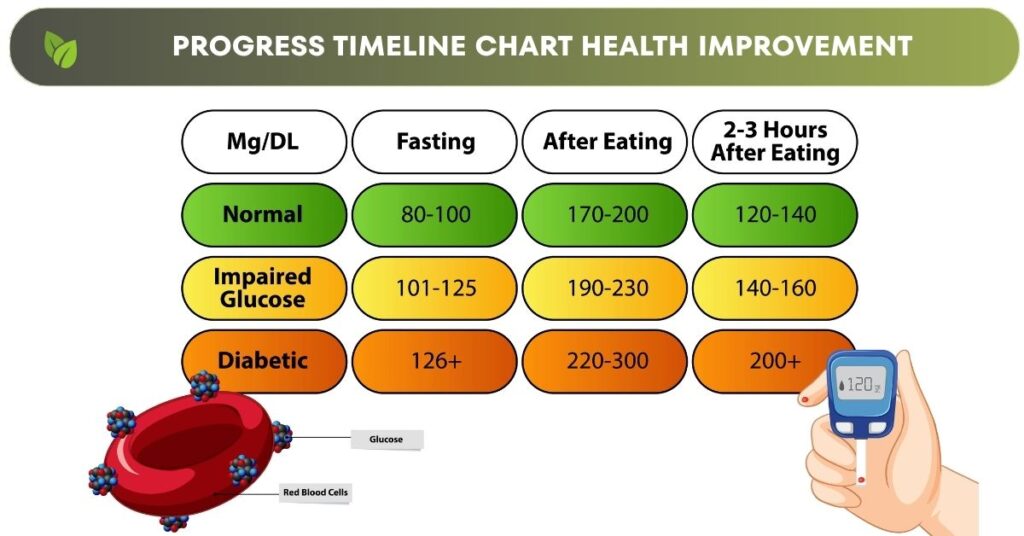
Long-term improvements are even stronger when combined with a structured nutrition approach like a keto diet food list guide.
Who Will Benefit Most from This Morning Routine?
This routine is especially well-suited for adults who recognize any of the following patterns in their daily experience.
- People who feel consistently tired and foggy after breakfast — if your morning meal reliably leaves you heavy or reaching for caffeine within an hour, your breakfast is almost certainly triggering a blood sugar spike-and-crash.
- Adults who battle sugar cravings throughout the day — persistent afternoon cravings are usually the downstream result of morning glucose instability.
- Anyone whose energy fluctuates unpredictably — if your energy feels great one day and completely depleted the next with no clear explanation, your blood sugar rhythm is likely the hidden variable.
- People over 30 who have noticed a gradual shift in how their body handles meals — this is precisely the demographic where these morning strategies deliver the most consistent results.
Expert Tips to Amplify Your Results
Once the 7 steps feel automatic and your morning rhythm is established, these additions can further sharpen your metabolic response and accelerate the results you are already experiencing.
- Add diluted apple cider vinegar before breakfast — one tablespoon of ACV in water, consumed 5–10 minutes before eating, has been studied for its ability to slow gastric emptying and reduce post-meal glucose spikes.
- Take a short walk after breakfast, not just before — post-meal walking activates leg muscles to absorb excess blood sugar without insulin, producing a measurably flatter glucose curve; even 5 minutes helps, 15–20 is optimal.
- Avoid doomscrolling in the first 10–15 minutes after waking — anxiety-inducing content floods your system with stress hormones that directly neutralize your morning metabolic work before the day has even started.
Some people also explore structured approaches like the keto diet for diabetics or an anti-inflammatory diet to further stabilize blood sugar levels.
Signs Your Current Breakfast Is Spiking Your Blood Sugar
Your body communicates blood sugar problems clearly and consistently. You just need to know what to look for. Watch for these signals in the 1 to 2 hours following your morning meal:
- Sudden, heavy fatigue after eating — especially within 60–90 minutes of breakfast
- Mental fog or noticeable difficulty concentrating in late morning
- A strong craving for something sweet within 90 minutes of a full meal
- Irritability, mood dips, or low tolerance for frustration mid-morning
- Hunger returning unusually fast after a breakfast that should have been satisfying
If two or more of these are regularly familiar, your breakfast composition — not your schedule, your stress level, or your sleep — is almost certainly the root cause.
These symptoms often overlap with deeper metabolic issues—explore the early signs of high blood sugar to better understand what your body is trying to tell you.
Important Note on Blood Sugar and Individual Variation
These morning routine principles are grounded in widely studied metabolic health science and apply broadly to most healthy adults. That said, individual glucose responses vary meaningfully based on genetics, gut microbiome composition, current medications, and underlying health conditions.
If you have been diagnosed with diabetes, prediabetes, or any metabolic condition, these lifestyle strategies should complement — not replace — the guidance of a qualified healthcare provider. The steps above support healthy metabolic function and are not intended as medical treatment or a substitute for clinical care.
For serious or persistent concerns about glucose regulation, consult your physician before making significant changes to your diet, exercise routine, or supplement regimen.
If your mornings feel unpredictable and energy crashes are part of your daily routine, applying these 7 steps consistently can make a noticeable difference within days.
Small changes in your morning create big changes in your energy, focus, and cravings.
Frequently Asked Questions About Morning Routine for Blood Sugar Control
Can a morning routine really help balance blood sugar all day?
Yes — and the science behind it is well established. Your body’s natural cortisol peak in the morning creates a window of temporary insulin resistance that makes your first meal the highest-leverage metabolic decision of the day. A morning routine that manages hydration, movement, cortisol, and breakfast composition directly addresses this window. The result is a flatter glucose curve that cascades forward — reducing afternoon crashes, quieting sugar cravings, and supporting clearer energy well into the evening. Consistency is key; the benefits compound with daily repetition.
What is the single best first thing to do in the morning for blood sugar?
Hydration first, then movement. Drink 16–24 ounces of filtered water immediately upon waking to dilute concentrated overnight glucose and support kidney function. Then move your body lightly for 10 minutes before sitting down. This sequence activates GLUT4 muscle glucose transporters, which pull sugar from your bloodstream without requiring additional insulin. Together, these two steps lower your baseline blood glucose before you take a single bite of food.
How quickly does a morning routine improve energy levels?
Most people notice reduced mid-morning crashes within 2–3 days of switching from a carbohydrate-heavy breakfast to a protein-and-fiber-anchored meal with morning movement. The improvement is often felt on the very first day the full routine is applied consistently. Deeper metabolic adaptation — including reduced cravings, improved mood stability, and sustained afternoon energy — typically develops over 2–4 weeks of consistent daily practice.
Is this routine safe if I have prediabetes or type 2 diabetes?
The foundational habits — hydration, light movement, protein-first eating, fiber before carbs, stress management, and sunlight — are all generally considered safe and beneficial for people managing prediabetes or type 2 diabetes. However, if you are currently on glucose-lowering medications, adding more physical activity or significantly changing your diet may affect your medication needs. Always discuss meaningful lifestyle changes with your healthcare provider before starting.
Why do I still crash even when I eat a “healthy” breakfast?
Many foods marketed as healthy — oatmeal, whole-grain toast, fruit juice, granola — are still predominantly carbohydrate-based and can spike blood sugar quickly when eaten without adequate protein and fiber. If your breakfast isn’t anchored in at least 20 grams of protein and doesn’t include fiber eaten before the carbohydrates, it may still be creating a glucose spike-and-crash pattern. Food quality matters, but food composition and meal sequencing matter just as much.
Take Control of Your Morning Energy Starting Tomorrow
If you are tired of unpredictable energy, constant cravings, and mid-morning crashes that derail your productivity and your mood, your morning routine is the most powerful and accessible place to start making changes.
Follow this 7-step routine consistently for the next 5–7 days. Most people notice a real, felt difference faster than they expect — often within the first two to three mornings of consistent implementation.
For additional support, some people choose to combine this routine with targeted supplements designed to support healthy blood sugar levels.
If you’re already eating better but still experiencing blood sugar spikes, read our detailed GlucoBerry reviews to see how targeted support may help.