
Best Foods That Stabilize Blood Sugar Naturally Throughout the Day
Every time you sit down to eat a meal, you are making a powerful decision about how you are going to feel for the next several hours. Your daily food choices quietly shape almost every aspect of your day. The food on your plate dictates your physical energy, your mood, your hunger cycles, and whether or not you will experience those afternoon energy crash warning signs linked to blood sugar imbalance.
For millions of Americans, eating often feels like a guessing game. You might try to eat what you think is a healthy meal, only to find yourself exhausted and starving just two hours later. This happens because not all calories are processed by your body in the same way. The secret to smooth, steady, all-day energy is not about starving yourself or counting every single calorie; it is about choosing the right foods that stabilize blood sugar.
Many readers searching for foods that stabilize blood sugar are surprised to learn that simple meal sequencing can dramatically improve energy within days.
Incorporating blood sugar friendly foods into your daily routine is one of the most effective ways to take control of your metabolism. By focusing on foods to prevent glucose spikes, you can fundamentally change how your body burns fuel. Whether you are looking to lose weight, gain mental clarity, or just survive the workday without needing a nap, building the best diet for blood sugar control is your ultimate foundation.
Here is the well-established metabolic science behind how your food choices affect your body, and the ultimate guide to the best foods you can eat to keep your energy perfectly balanced.
Why Food Choices Matter for Stable Blood Sugar Levels
To understand why certain foods give you energy while others put you to sleep, you have to look at the biology of digestion. Your digestive system is responsible for breaking down the food you eat into a usable form of energy called glucose (blood sugar).
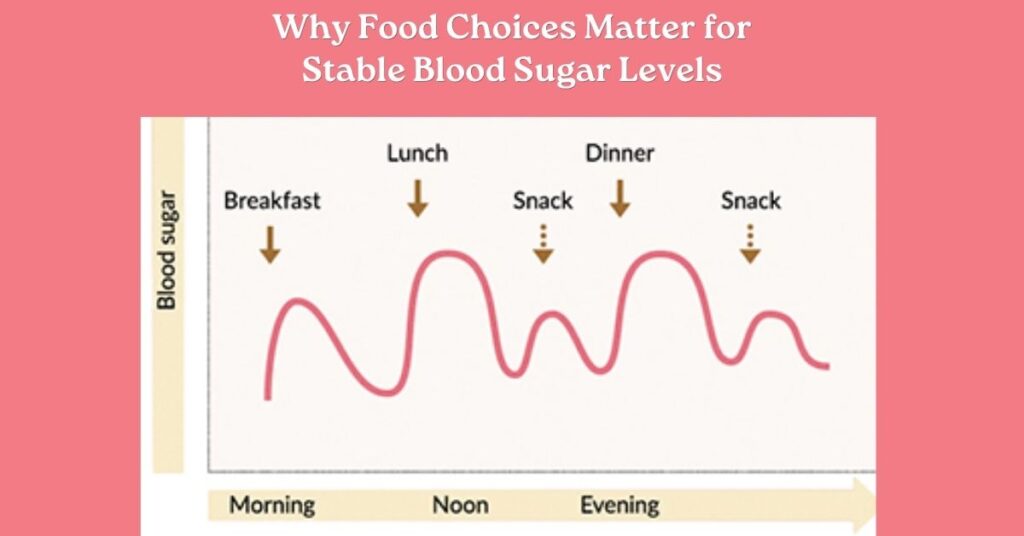
How glucose spikes affect energy and appetite
When you eat foods that break down too quickly—like refined carbohydrates and processed sugars—they hit your bloodstream like a tidal wave. This rapid absorption of refined carbohydrates causes a sudden rise in blood sugar levels. While you might feel a quick burst of nervous energy, your body recognizes this spike as a dangerous emergency. Clinical nutrition research consistently links repeated glucose spikes with fatigue, appetite swings, and long-term metabolic stress.
To protect your blood vessels from this unusually high sugar load, your pancreas pumps out a strong release of the hormone insulin. Insulin acts like a fleet of delivery trucks, aggressively clearing the sugar out of your blood. Research shows that repeated glucose spikes over time can increase insulin resistance and make energy crashes more frequent and intense. Because the spike was so large, your body overcompensates, clearing out too much sugar too fast. This creates a steep, sudden crash in your blood sugar. That crash is exactly what triggers exhaustion, brain fog after eating linked to blood sugar imbalance, and a desperate, demanding appetite.
Hidden signs your meals may be destabilizing blood sugar
Most people do not realize their meals are causing these chaotic internal swings. They assume their afternoon fatigue or sudden sugar cravings are just normal parts of a stressful life. But if you frequently experience a heavy energy drop after lunch as one of the early signs of high blood sugar, your diet is likely causing metabolic distress. Recognizing these patterns is the first step toward learning how to stabilize blood sugar naturally.
Top Foods That Help Keep Blood Sugar Stable Naturally
If you want to step off the biological roller coaster, you need to focus on foods that stabilize blood sugar naturally throughout the day and digest slowly and steadily. Here are the top categories of foods that provide your body with calm, reliable energy.
Leafy green vegetables that slow glucose absorption
Leafy greens are nutritional powerhouses and the ultimate metabolic stabilizers. Vegetables like spinach, kale, Swiss chard, and fenugreek leaves are incredibly low in digestible carbohydrates but packed with dense, natural fiber.
When you eat leafy greens, the fiber acts like a physical sponge in your digestive tract. It slows down the emptying of your stomach and creates a protective barrier that prevents sugars from other foods from rushing into your bloodstream. Adding a heavy handful of spinach to your morning eggs or starting your lunch with a dark leafy salad guarantees a flatter, safer blood sugar curve.
Healthy fats that support insulin balance
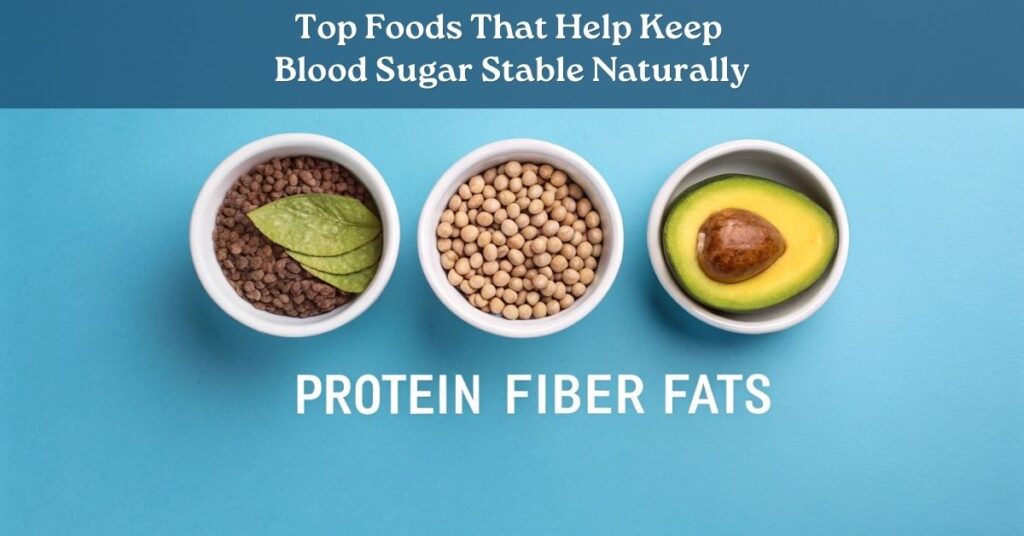
For decades, Americans were told to fear fat, but metabolic researchers now know that healthy fats are essential for steady energy. High-quality fats found in foods like avocado, extra virgin olive oil, and raw nuts take a very long time for your body to break down.
Fats do not trigger an insulin response. When you include healthy fats in your meal, they actively slow down the absorption of any carbohydrates you eat alongside them. Slicing half an avocado onto your lunch plate ensures that the energy from your meal drips into your system at a slow, manageable trickle rather than a massive flood.
Protein-rich foods that prevent glucose spikes
Protein is the anchor of a stable metabolism. Eating protein-rich foods like eggs, lentils, lean chicken, and plain Greek yogurt requires significant energy and time for your digestive system to process.
Protein triggers the release of satiety hormones in your gut that tell your brain you are full and satisfied. Furthermore, a high-protein meal prevents the rapid absorption of glucose, helping reduce rapid glucose spikes that cause afternoon crashes. Prioritizing 20 to 30 grams of protein at every single meal is a non-negotiable habit for metabolic health, helping reduce rapid glucose spikes and explaining why you feel hungry after eating linked to blood sugar imbalance.
Blood Sugar Friendly Foods to Add to Every Meal
Building a balanced plate does not mean you have to eat boring, flavorless food. There are plenty of delicious, highly functional foods that support your metabolism.
Fiber-rich foods that improve glucose control
Fiber is your body’s natural traffic controller for blood sugar. Chia seeds and flax seeds are two of the best additions you can make to your daily routine. When chia seeds mix with liquid in your stomach, they form a thick, gel-like substance. This gel traps sugars and dramatically slows their entry into your blood.
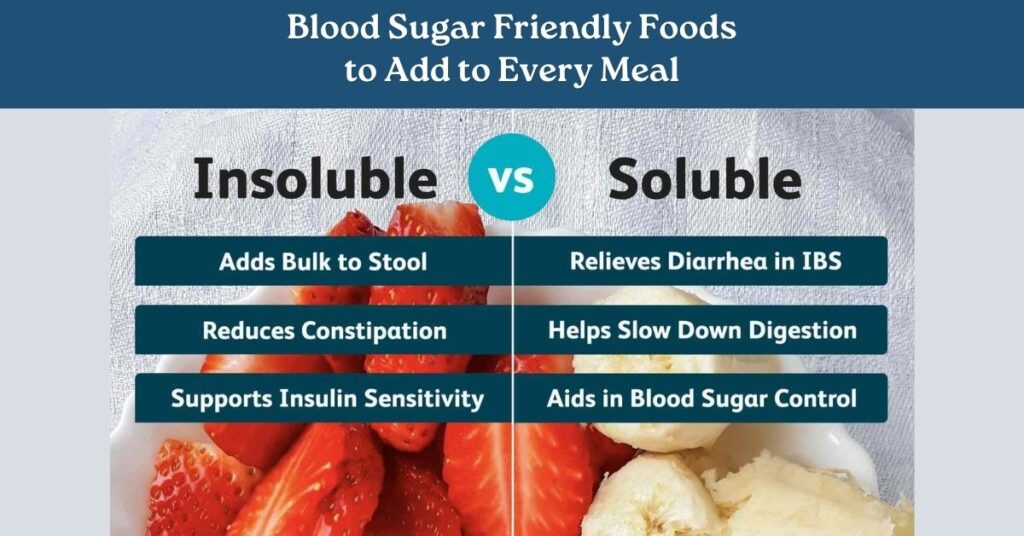
Steel-cut oats (unlike highly processed instant oatmeal) also provide a heavy dose of soluble fiber called beta-glucan, which has been scientifically shown to improve insulin sensitivity and keep your morning energy perfectly flat.
Low-glycemic fruits that support metabolic balance
You do not have to give up fruit to keep your blood sugar stable, but you do need to choose wisely. Tropical fruits like pineapples and bananas are very high in fast sugar. Instead, opt for low-glycemic fruits that are packed with protective antioxidants and fiber.
Berries (like raspberries, blackberries, and blueberries) are incredibly high in fiber and low in sugar, making them the perfect sweet treat. Crisp green apples and guava are also fantastic choices. Their dense cellular structure takes time to break down, giving you a refreshing sweetness without the dangerous metabolic spike.
Foods to Prevent Glucose Spikes After Meals
Sometimes, it is not just about what you eat, but how you eat it. You can strategically combine foods to neutralize the impact of carbohydrates.
Foods that slow carbohydrate absorption naturally
If you are going to eat a starchy carbohydrate like a sweet potato or a piece of whole-grain fruit, you must surround it with metabolic “speed bumps.” Raw almonds, walnuts, pumpkin seeds, and high-quality cheeses are perfect additions. The heavy combination of fat and protein in these foods forces your stomach to digest the starches at a fraction of their normal speed.
Simple meal pairing strategies that reduce sugar swings
The golden rule of metabolic stability is to never eat a carbohydrate alone. Always use the “Satiety Trio” rule: pair your carbohydrates with Protein, Fiber, and Healthy Fat.

If you want an apple, dip it in almond butter. If you are having rice with dinner, make sure it is accompanied by a massive serving of broccoli and a heavy piece of grilled fish. This simple pairing strategy completely changes the chemical reaction inside your body and helps stop the frustrating cycle of feeling hungry after eating linked to blood sugar imbalance.
The Best Diet for Blood Sugar Control Throughout the Day
Putting these foods together into a sustainable, enjoyable routine is the key to long-term success. Here is how to structure your day for maximum energy.
Balanced breakfast ideas for steady morning energy
Breakfast sets the metabolic tone for your entire day. If you start with a bagel or sweet cereal, you are boarding the blood sugar roller coaster immediately.
Instead, build a savory breakfast. A scramble made with three whole eggs, a handful of spinach, and a side of sliced avocado provides massive amounts of protein and healthy fat. If you prefer something quicker, a bowl of full-fat, unsweetened Greek yogurt topped with chia seeds, walnuts, and a handful of raspberries will keep your blood sugar completely flat and your brain focused until lunch.

Lunch combinations that prevent afternoon crashes
Lunch is where most office workers make critical mistakes. A heavy sandwich on thick bread or a large bowl of pasta guarantees that you will be fighting severe afternoon energy crashes linked to blood sugar imbalance by 3:00 PM.
Instead, focus on massive salads built on dark leafy greens. Top the greens with a heavy serving of grilled chicken or salmon, half an avocado, pumpkin seeds, and an olive oil-based dressing. This meal provides zero refined carbohydrates, meaning your pancreas does not have to release a surge of insulin, and your afternoon energy remains completely uninterrupted.
Smart Snacking Choices That Support Stable Blood Sugar
Some people also choose to combine these food strategies with targeted metabolic support nutrients when diet improvements alone do not fully stabilize their daily energy patterns.
When a craving hits between meals, reaching for the wrong snack can ruin a day of good eating. Most granola bars, pretzels, and packaged snacks are just heavily processed carbohydrates disguised as health food.
Smart snacking requires foods that have virtually no impact on your glucose levels. Keep a stash of raw, unsalted nuts (like almonds, macadamia nuts, or pecans) at your desk. Hard-boiled eggs are portable, inexpensive protein powerhouses. Celery sticks dipped in natural peanut butter or a small cup of plain Greek yogurt offer the perfect blend of crunch, fat, and protein to quickly kill your constant sugar cravings without spiking your system.
Foods That Quietly Trigger Blood Sugar Spikes (Limit These)
To protect your metabolism, you also have to know which foods to ruthlessly avoid. Many foods widely considered “normal” in the American diet are actually massive metabolic disruptors.
White bread, white pasta, and white rice have had all their natural fiber completely stripped away during processing. In your stomach, they turn into pure glucose almost instantly. Sweet beverages, including sodas, sweetened coffees, and even 100% fruit juices, are liquid sugar. Because they require zero digestion, they hit your bloodstream like a lightning bolt.
You must also watch out for ultra-processed snacks and hidden sugars hiding in plain sight. Salad dressings, flavored yogurts, ketchup, and barbecue sauces are often loaded with high-fructose corn syrup. Consistently eating these sneaky, highly processed sugars keeps your insulin levels artificially elevated all day long, which is the primary stubborn belly fat warning sign that your metabolism is locked in fat-storage mode.
A Simple Daily Plate Formula for Blood Sugar Stability
You do not need to count every calorie or track complicated macros to eat well. Instead, use a highly visual, incredibly simple plate formula every time you sit down for lunch or dinner:
- ½ of your plate: Fill half your plate with non-starchy, high-fiber vegetables (like broccoli, asparagus, spinach, or Brussels sprouts).
- ¼ of your plate: Fill one-quarter with high-quality protein (like chicken, beef, fish, tofu, or eggs).
- ¼ of your plate: Fill the final quarter with a slow-digesting, complex carbohydrate (like quinoa, black beans, or a small portion of sweet potato).
- The Finisher: Add a healthy fat source, like a drizzle of olive oil, a sprinkle of seeds, or a slice of avocado.

This simple visual structure ensures that every meal acts as a metabolic stabilizer. By following this formula, you naturally protect yourself against the early warning signs your blood sugar needs support.
When Food Alone May Not Be Enough for Blood Sugar Support
Consistently choosing the right foods and balancing your plate is the ultimate foundation of health. However, we live in the real world. Stressful jobs, poor sleep, nutrient gaps in our modern soil, and the occasional unavoidable fast-food meal can all put heavy metabolic stress on your system.
Sometimes, decades of eating the standard American diet can leave your cells slightly stubborn and resistant to insulin, meaning your body might need a little extra time and help to find its balance. When food alone is not quite enough to bridge the gap, looking into natural blood sugar support ingredients for targeted, gentle nutritional support can make a meaningful difference in how you feel.
Want to see real results and current discounts? Explore the latest GlucoBerry reviews (2026) and check the official website before it sells out.
This is why many health-conscious adults choose to incorporate natural dietary supplements into their routine. High-quality options like GlucoBerry are specifically formulated to assist the body from a different angle. Instead of relying on stimulant-style metabolic support, GlucoBerry works by supporting the kidneys’ natural glucose filtration process, which plays a role in maintaining healthy blood sugar balance.
By supporting your kidneys in efficiently filtering and flushing away excess sugar, it helps maintain a calmer internal environment. When your blood sugar rhythm needs support, giving your body’s natural drainage system a helping hand makes it much easier to achieve that smooth, all-day energy you are looking for.
Frequently Asked Questions About Blood Sugar Friendly Foods
To help clarify how you can make the best choices for your metabolism, here are the answers to some of the most common questions about the diet and blood sugar connection:
Does fasting help stabilize blood sugar?
Intermittent fasting can be a helpful tool for some people to improve insulin sensitivity, but it is not required for stable blood sugar. If you fast but break your fast with a massive carbohydrate meal, you will still experience a dangerous spike and crash. The quality and balance of the food you eat when you are eating is far more important than how long you wait to eat.
Can I still eat dessert if I want to prevent glucose spikes?
Yes, but timing is everything. Never eat dessert on an empty stomach. If you want a sweet treat, eat it immediately after a heavy meal filled with protein, fiber, and fat. The fibrous mesh from your dinner will drastically slow down the absorption of the sugar from your dessert, resulting in a much smaller, gentler glucose curve.
How long does it take for a diet change to improve blood sugar?
The beauty of metabolic health is that you can feel the changes almost immediately. When you switch from eating naked carbohydrates to a balanced plate featuring the Satiety Trio (protein, fat, fiber), you will likely notice a complete stop to your afternoon energy crashes on the very first day. Deeper changes, like improving insulin sensitivity, typically take a few weeks of consistent healthy habits to fully develop.
Final Thought: Small Food Choices Create Powerful Metabolic Stability
You hold incredible power over your health every single time you pick up a fork. Eating for metabolic health is not about harsh restrictions or giving up everything you love; it is about making smart, educated choices that respect your body’s biological design.
By prioritizing leafy greens, heavy proteins, healthy fats, and smart meal sequencing, you can completely flatten your glucose curve. Many people notice these same patterns appearing alongside constant hunger, afternoon fatigue, constant sugar cravings, and stubborn belly fat long before recognizing warning signs your blood sugar needs support.
When you consistently provide your body with the stabilizing foods it needs, you silence the internal alarms. You step off the exhausting roller coaster of spikes and crashes, and finally unlock the clear, steady, reliable energy you need to thrive all day long.