

7 Early Signs of High Blood Sugar: Warning Signs Your Body Needs Support
Most people assume that metabolic issues happen overnight. You go to the doctor for an annual checkup, get routine bloodwork done, and suddenly receive surprising news about your glucose levels. But your body is incredibly communicative, and it rarely keeps secrets. Long before a doctor points out any early signs of high blood sugar on a lab report, your metabolism has likely been sending subtle warning signals for months or even years.
The problem is that millions of Americans unknowingly live with blood sugar imbalance symptoms without realizing these are clear signs your metabolism needs support. If you feel constantly exhausted, battle daily cravings, or struggle to think clearly after eating, you are not alone, and you are not broken. These are not signs of personal failure or a lack of willpower.
Many readers searching for foods that stabilize blood sugar are surprised to discover that simple meal timing and food combinations can dramatically improve energy within just a few days.
They are vital, urgent messages from your internal systems. Many readers searching what are 5 signs your blood sugar is too high are often surprised to discover these signals begin long before laboratory results change.
Your body runs on a delicate balance of energy. When that balance is thrown off track, the symptoms ripple out into almost every aspect of your daily life. Here is a deep dive into the fascinating science behind your metabolism, and the seven early warning signs that your body needs a different kind of support to restore smooth, reliable energy. These symptoms of unstable blood sugar often appear years before clinical diagnosis and are frequently mistaken for early symptoms of sugar diabetes, making early awareness one of the most powerful tools for protecting long-term metabolic health.
Table of Contents
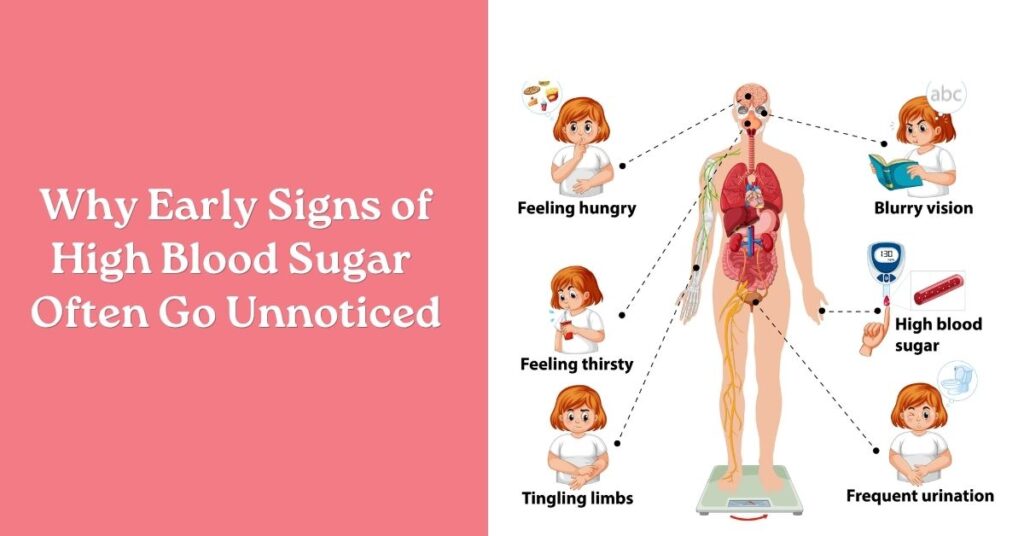
Why Early Signs of High Blood Sugar Often Go Unnoticed
When we think of metabolic health, we often look for extreme symptoms. We imagine dramatic events, fainting spells, or total exhaustion. But in reality, blood sugar imbalance symptoms usually start as quiet whispers. They are easily mistaken for the side effects of modern living. We blame our jobs, our lack of sleep, or our busy schedules, completely missing the hidden signs of blood sugar imbalance happening right under our noses.
How modern diets quietly affect glucose balance
The standard American diet is perfectly designed to disrupt your metabolism. Supermarkets are filled with ultra-processed foods, refined carbohydrates, and hidden sugars disguised as “healthy” snacks. When you eat these foods day after day, your digestive system breaks them down into glucose at an unnaturally rapid pace. This constant, daily influx of sugar forces your body to work overtime just to maintain a safe balance. Over time, your system gets tired, and the subtle signs of distress and blood sugar regulation problems begin to show.
Why energy crashes and cravings are early metabolic signals
Before your fasting glucose levels ever rise on a blood test, your body experiences what scientists call reactive hypoglycemia symptoms. This simply means your blood sugar spikes too high after a meal and then crashes too low shortly after. The exhaustion you feel during that crash, and the intense craving you have for a sugary snack to fix it, are early metabolic warning signs. Your brain is trying to force you to eat fast energy because it senses a dangerous drop in fuel.
What Are 5 Signs Your Blood Sugar Is Too High?
When people start researching metabolic health, they often want to know: what are 5 signs your blood sugar is too high? Readers frequently notice subtle signs of high blood sugar first before receiving any official diagnosis from a healthcare professional.

While clinical symptoms include frequent urination or excessive thirst, the early warning signs are much more closely tied to your daily energy, your waistline, and your appetite. Let’s break down the most common signs that your glucose levels are riding a chaotic daily roller coaster, starting with your hunger signals.
1. Feeling Hungry Soon After Eating Meals
We have all been there. You enjoy a massive, satisfying lunch. You feel completely stuffed. But less than two hours later, your stomach is growling, and you are digging through the pantry looking for a snack. If you are constantly feeling hungry after eating, it is a glaring hungry after eating blood sugar imbalance warning sign.
Why rapid glucose spikes trigger early hunger signals
Your body does not measure hunger just by how full your stomach is; it measures hunger by how much accessible energy is in your bloodstream. When you eat a heavy carbohydrate meal, your blood sugar spikes rapidly. Experiencing these blood sugar spikes symptoms causes a panic; your pancreas floods your blood with insulin to clear the toxic load of sugar away.

Because the spike was so huge, your body overreacts and clears out too much sugar. Suddenly, your blood sugar plummets below normal levels. Your brain instantly senses this severe fuel shortage. To protect you from running out of energy, it releases ghrelin (the hunger hormone) and demands that you eat immediately, completely ignoring the fact that you just finished a heavy meal. Learning how to stabilize blood sugar naturally is the only way to silence these false alarms.
2. Afternoon Energy Crashes That Disrupt Your Day
Walk into almost any office building in America at 3:00 PM, and you will see people struggling to keep their eyes open. They are brewing extra pots of coffee, yawning at their desks, and fighting a heavy wave of exhaustion. This afternoon energy crash causes a massive drop in daily productivity, but it is not just from working hard. It is a classic afternoon energy crash warning sign.

How unstable blood sugar affects productivity and focus
Your brain is the biggest consumer of glucose in your body. It relies on a steady, uninterrupted flow of sugar from your blood to stay alert. When your lunchtime meal digests too fast, it creates that familiar steep drop in blood sugar a few hours later.
When your brain’s fuel supply suddenly dries up due to these unstable glucose levels symptoms, it hits the emergency brakes. It dials down your non-essential functions to conserve energy, which makes your limbs feel heavy and your eyelids droop. You cannot out-willpower this biological response; your brain is actively forcing you to rest because it believes you are running out of life-sustaining fuel.
If you’re constantly feeling hungry after meals, it may help to understand why you feel hungry after eating.
3. Strong Cravings for Sugar or Refined Carbohydrates
Having an occasional sweet tooth is perfectly normal. However, if you feel an undeniable, shaking, intense urge to eat cookies, chocolate, or drink a sweetened soda every single day, you are dealing with a chemical drive, not a lack of discipline. The constant sugar cravings meaning is deeply tied to survival biology.

Why glucose swings increase cravings throughout the day
When dealing with these blood sugar fluctuation symptoms, your brain bypasses logic. It does not want a piece of broccoli or a handful of almonds, because those complex foods take hours to digest and turn into usable energy. Your brain demands the fastest-burning fuel on the planet to fix the energy deficit immediately: simple, refined sugar.
This creates a vicious cycle. You give in to the craving to feel better, which spikes your blood sugar again, guaranteeing another crash and another intense craving just two hours later. Breaking this cycle requires stepping away from naked carbohydrates and addressing the root cause of your constant sugar cravings.
4. Stubborn Belly Fat That Doesn’t Respond to Diet Changes
You might be eating salads, counting calories, and going to the gym, yet the scale refuses to budge. More specifically, you might notice that the fat around your midsection feels dense, stubborn, and completely locked in place. This incredibly frustrating scenario is the ultimate stubborn belly fat insulin resistance sign.
How insulin resistance affects fat storage patterns
Insulin is not just a blood sugar manager; it is also your body’s primary fat-storage hormone. When you exhibit insulin resistance early symptoms, your body is biologically locked in “storage mode,” meaning fat burning is completely shut down.

If your blood sugar is constantly spiking, your body pumps out massive amounts of insulin to keep up. Over time, your cells become tired of this constant insulin flood and become “resistant” to it. Your body has to pump out even more insulin just to get the same job done. High, chronic levels of insulin actively direct your body to store fat deep inside your abdomen. That is why your waistline is a highly visible stubborn belly fat and blood sugar warning signs that your internal metabolism needs help.
5. Brain Fog and Trouble Concentrating
We often use the term “brain fog” to describe the feeling of reading a single email three times without understanding a word of it. Your thoughts feel like they are moving through thick molasses, your memory slips, and you struggle to string a clear sentence together. Brain fog after eating and blood sugar can be one of the earliest signs of high blood sugar affecting mental clarity and daily productivity, and it is a direct result of poor metabolic function.

Why your brain depends on steady glucose levels
These glucose imbalance symptoms occur when your blood sugar spikes rapidly after a heavy carbohydrate meal, causing immediate oxidative stress and low-grade inflammation. This inflammatory response can cross the blood-brain barrier, essentially gumming up the pathways your brain cells use to communicate.
Shortly after, when the inevitable blood sugar crash happens, your brain is starved of the steady fuel it needs to fire its neurons quickly. The combination of neuro-inflammation from the spike and fuel starvation from the crash creates a thick, heavy mental cloud that makes high-level thinking virtually impossible.
6. Waking Up Tired Even After Sleeping Enough
You get into bed early, sleep a solid eight hours, but when your alarm goes off, you feel like you haven’t slept a wink. You drag yourself out of bed feeling heavy, groggy, and unrefreshed. Waking up tired blood sugar imbalance issues are incredibly common but rarely discussed by traditional doctors.
How overnight glucose fluctuations affect sleep quality
These symptoms of high blood sugar early stages are triggered if you eat a dinner heavy in fast-digesting carbohydrates, or snack on sweets right before bed, causing your blood sugar to spike as you fall asleep. In the middle of the night, while you are unconscious, that blood sugar will crash.

To bring your levels back up to a safe zone so you do not suffer a dangerous low while sleeping, your body releases a massive surge of cortisol and adrenaline. These are “fight or flight” stress hormones. While they succeed in raising your blood sugar, they also rip you out of your deep, restorative sleep cycles. You might not fully wake up, but your brain spends the entire night fighting a biological emergency instead of resting.
7. Mood Swings or Irritability Between Meals
If you have ever felt deeply “hangry”—a sudden mix of intense hunger and explosive irritability—you have experienced a metabolic mood swing. Mood swings between meals blood sugar connections are one of the most overlooked early signs of high blood sugar because they appear emotional on the surface but are actually metabolic underneath. If your patience wears thin, you snap at your family, or you feel sudden waves of unexplained anxiety when a meal is delayed, your emotions are being hijacked by your hormones.

The connection between glucose stability and emotional balance
The root of these insulin sensitivity problems symptoms is connected to that same cortisol release we discussed earlier. When your blood sugar crashes during the day, your brain senses danger and releases stress hormones to force the liver to dump emergency sugar into your blood.
The side effect of these stress hormones is that they make you feel incredibly anxious, jittery, and irritable. Your sudden bad mood is not a personality flaw; it is a chemical reaction. When you finally eat a carbohydrate, the stress hormones drop, dopamine is released, and your mood miraculously improves. Your emotions are literally tied to the rise and fall of your blood glucose.
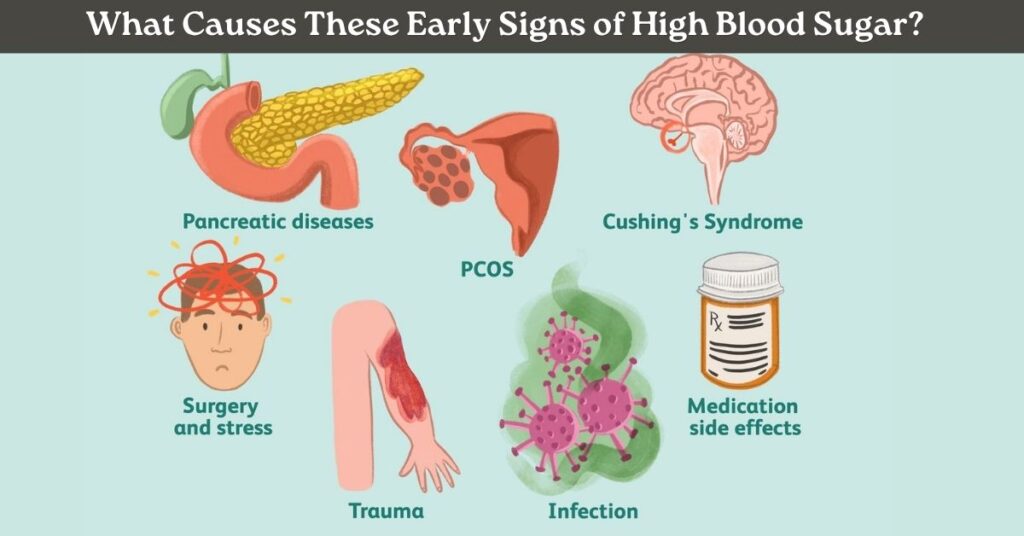
What Causes These Early Signs of High Blood Sugar?
If you recognize several of these early symptoms of insulin resistance and warning signs of blood sugar problems, the next logical question is: why is this happening? The answer lies in the modern lifestyle habits that quietly place heavy stress on our internal systems. These warning signs of blood sugar problems often develop slowly as insulin sensitivity declines over time. These early metabolic warning signs often appear years before insulin resistance is formally diagnosed.
Low fiber intake and processed carbohydrates
Fiber is nature’s metabolic speed bump. It creates a physical mesh in your digestive tract that slows down the absorption of sugar. Sadly, the modern American diet strips the natural fiber out of almost everything we eat. White bread, white rice, pasta, and baked goods act like pure sugar in your stomach. Without fiber to slow them down, these foods guarantee chaotic glucose spikes.
Stress hormones and poor sleep habits
Mental stress directly impacts physical metabolism. When you are stressed at work, your body is flooded with cortisol. Cortisol naturally raises your blood sugar to give you the energy to “run from a predator.” But since you are just sitting at a desk, that sugar goes unused, causing an insulin spike and a subsequent crash. Combined with poor sleep (which makes cells temporarily insulin-resistant), chronic stress is a massive metabolic disruptor.
Sedentary routines reducing insulin sensitivity
Your muscles are the largest consumers of glucose in your entire body. When you move your muscles, they can soak up excess sugar directly from your bloodstream without needing any insulin at all. However, sitting at a desk for eight hours, followed by sitting on a couch for three hours, means your muscles are inactive. The sugar pools in your blood with nowhere to go, forcing your pancreas to work overtime.
Simple Daily Habits That Help Stabilize Blood Sugar Naturally
If you are noticing early signs of high blood sugar, these daily habits can help restore stability naturally. The incredible news is that you can dramatically improve these symptoms by making small, authoritative changes to your daily routine. If you want to stabilize blood sugar naturally, you must focus on giving your body the right environment to heal.

Building balanced meals using protein fiber and healthy fats
The golden rule of metabolic health is to never eat carbohydrates by themselves. Always surround your carbs with the “Satiety Trio”: high-quality protein (like chicken or eggs), healthy fats (like avocado or olive oil), and fiber. These nutrients digest incredibly slowly, acting as a dam that drips energy into your bloodstream at a safe, steady pace. Learning about how to stabilize blood sugar naturally is the ultimate foundation for all-day energy.
Smart snack choices that prevent glucose spikes
If you need a snack between meals, avoid pretzels, granola bars, or sweetened yogurts. Instead, reach for blood sugar friendly foods like a handful of raw almonds, a hard-boiled egg, or celery dipped in natural peanut butter. These snacks provide satisfying crunch and energy without triggering an insulin response.
Light movement after meals improves glucose control
Instead of staying seated after eating, build a habit of taking a gentle 10-minute walk right after your heaviest meals. Your moving muscles act like a biological sponge, safely soaking up the excess glucose before it can cause a massive spike and an exhausting crash.
When Lifestyle Changes Alone May Not Fully Support Blood Sugar Balance
Catching metabolic warning signs before diabetes means consistently choosing perfectly balanced meals and moving after lunch as the ultimate goal. However, we live in the real world. Stressful deadlines, poor sleep, nutrient gaps in our modern soil, and the occasional fast-food meal can all place heavy metabolic stress on your system.
Sometimes, decades of eating the standard American diet can leave your cells slightly stubborn. Furthermore, your kidneys—which play a crucial role in naturally filtering and draining excess glucose from your blood—can sometimes need additional support to function at their best. When food and exercise alone are not quite enough to bridge the gap, targeted, gentle nutritional support can make a meaningful difference in how you feel.
Why targeted metabolic nutrients can help support glucose balance
This is why many health-conscious adults choose to incorporate natural dietary supplements into their morning routines. High-quality options are formulated to assist the body from a different angle, supporting the kidneys’ natural glucose filtration pathway rather than relying on harsh stimulants.
What many readers review before choosing additional support options
Curious if it actually works? Check the latest GlucoBerry reviews and explore the official website to see real user experiences and current offers.
Frequently Asked Questions About Early Signs of High Blood Sugar
To help clarify your metabolic health journey, here are detailed answers to the most common questions regarding these early warning signs.
What are 5 signs your blood sugar is too high?
Before reaching clinical diagnosis levels, your body often shows five subtle signs: feeling exhausted after eating lunch, experiencing intense cravings for sweets every afternoon, holding onto stubborn belly fat despite dieting, dealing with mental brain fog, and waking up tired even after eight hours of sleep.
Can early signs of high blood sugar appear before diabetes develops?
Yes — and often years earlier. Your metabolism is highly communicative, and early shifts in your daily energy, intense cravings, and waistline stubbornness are your body’s early requests for metabolic support long before a clinical condition officially develops.
Are symptoms of sugar diabetes always obvious?
No. Many people search for symptoms of sugar diabetes before realizing these early warning signs often appear long before clinical diagnosis. While advanced clinical symptoms like excessive thirst, frequent urination, and blurred vision are obvious, the early stages of insulin resistance are incredibly quiet. They masquerade as everyday fatigue, mood swings, and hunger, which is why they are so frequently ignored by the general public.
These early symptoms of high blood sugar often appear long before a formal diagnosis of prediabetes or type 2 diabetes is made.
Can unstable blood sugar symptoms improve naturally?
Yes. Your metabolism is highly resilient. By drastically reducing refined carbohydrates, increasing your daily protein and fiber intake, prioritizing sleep, and walking after your meals, you can train your body to process glucose more efficiently and improve your cell’s sensitivity to insulin.
How quickly can energy improve after stabilizing blood sugar?
When you switch from eating naked carbohydrates to eating a balanced plate, you can often feel the changes on the very first day. The mid-afternoon crashes and heavy brain fog can vanish almost immediately. For deeper changes, like reversing stubborn belly fat, it typically takes a few weeks or months of a best diet for blood sugar control to see visible results.
Final Thought: Recognizing Early Warning Signs Helps Restore Energy Naturally
Your body is an incredibly smart, highly evolved machine. It does not make you feel exhausted, hungry, or foggy just to punish you. These symptoms are vital, life-saving messages.
If you recognize several of these warning signs of blood sugar problems in your own life, it is time to stop viewing them as personal weaknesses. Instead, look at them as a clear, urgent request from your metabolism. Your body is asking for stability and balance. Learning to recognize the early signs of high blood sugar early gives you the opportunity to restore balance long before serious metabolic conditions develop. By understanding the profound connection between your blood sugar, your hormones, and your daily habits, you can finally take your power back.
Focus on building awareness around how your meals make you feel. Prioritize strong nutrition, build consistent daily habits like walking after dinner, and consider exploring targeted support options to keep your internal systems running smoothly. When you finally step off the blood sugar roller coaster, the internal alarms will go quiet, leaving you with the clear, steady, reliable energy you need to thrive every single day.