

How to Stabilize Blood Sugar Naturally (Without Strict Dieting): The Ultimate Guide
To stabilize blood sugar naturally, eat protein and fiber before carbs, take a 10-minute walk after meals, stay hydrated, get 7–9 hours of sleep, and space meals 3–4 hours apart. These daily habits — not strict dieting or calorie counting — are what actually keep glucose levels steady long-term.
Let’s be real for a second — the word “diet” is exhausting.
If you’re reading this, chances are you’ve already tried cutting back on your favorite foods, tracking calories, and doing everything you can to stabilize blood sugar naturally. But even after all that effort, you may still deal with afternoon energy crashes, sudden “hangry after eating” moments, brain fog, or difficulty staying focused.
Here’s the truth: managing your blood sugar shouldn’t feel like a full-time job. And it definitely shouldn’t require you to live on plain chicken and steamed broccoli just to feel better.
If you’re living in the United States, you’re navigating an environment filled with ultra-processed foods, oversized sugary drinks, and convenience meals that make it harder than ever to stabilize blood sugar naturally. But here’s the good news — you don’t have to give up carbs, follow extreme restrictions, or completely change your lifestyle to start seeing real improvements.

This guide is about working with your body, not against it. Instead of focusing on everything you need to remove from your routine, we’re going to explore simple, realistic habits that support steady energy and help you control glucose levels naturally by adding smarter choices into your daily routine — not taking away the foods you enjoy.
Key Takeaways
- Blood sugar spikes and crashes — not the food itself — are usually behind afternoon fatigue, cravings, and brain fog.
- “Clothing your carbs” with protein, fat, and fiber slows glucose absorption without cutting anything out.
- Eating order matters: veggies and protein first, carbs last, can reduce a blood sugar spike substantially.
- A 10-minute walk after meals lets your muscles absorb glucose without needing extra insulin.
- Sleep and stress affect blood sugar as much as food does — poor sleep alone raises next-day glucose response.
- People on insulin or diabetes medication should talk to their doctor before changing meal timing or snacking habits.
Table of Contents
Chapter 1: The Blood Sugar Rollercoaster (And Why You Want Off)
Before we can fix the problem, we need to understand what is actually happening inside your body when you eat. We’ll keep the science simple and relatable.
What Is Blood Sugar?
When you eat foods containing carbohydrates — whether that’s a glazed donut, a bowl of oatmeal, or an apple — your digestive system breaks them down into glucose (sugar). This glucose enters your bloodstream, providing your cells with the energy they need to function.
| Reading | Normal Range (Non-Diabetic Adult) |
| Fasting (before eating) | 70–99 mg/dL |
| 1–2 hours after a meal | Under 140 mg/dL |
| Random check, any time | Under 140 mg/dL |
Source: American Diabetes Association Standards of Care. General reference points, not a diagnosis — confirm your own targets with your doctor.
The Role of Insulin: Your Body’s Traffic Cop
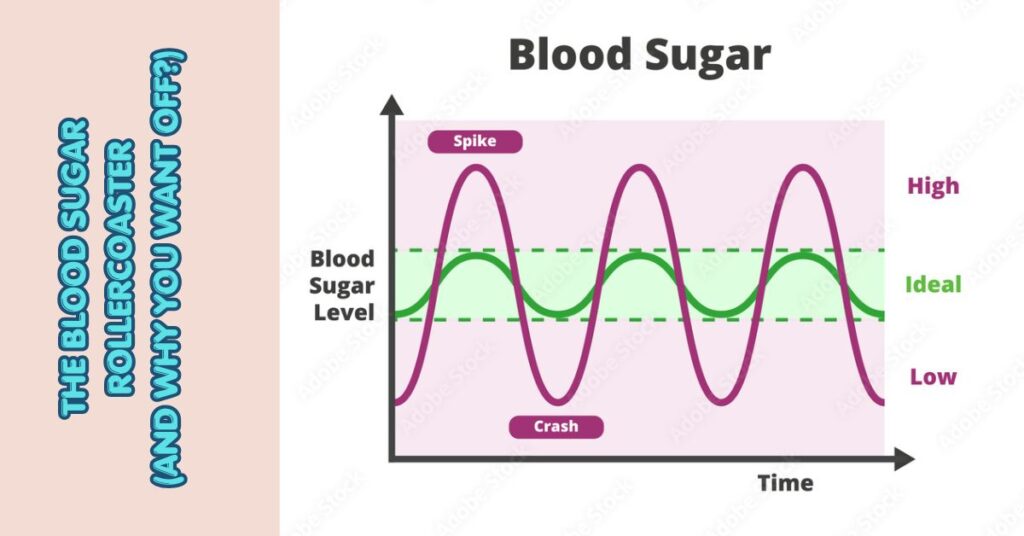
As glucose floods your bloodstream, your pancreas releases a hormone called insulin. Think of insulin as a key that unlocks your cells, allowing glucose to enter so it can be used for energy. When everything works perfectly, your blood sugar rises gently after a meal, insulin does its job, and your blood sugar gently comes back down.
The Spike and the Crash
The problem occurs when we eat “naked” carbs — carbohydrates eaten by themselves, especially refined ones like a plain bagel, a glass of juice, or a handful of pretzels. Your blood sugar shoots straight up — this is the spike. In response, your pancreas pumps out a wave of insulin, which can sweep glucose out of your bloodstream too quickly, leading to a sudden, steep drop — the crash (reactive hypoglycemia).
What a crash feels like:
- You experience brain fog and can’t focus on your work
- You’re suddenly exhausted around 2:00–3:00 PM
- You feel irritable, jittery, or anxious (the classic “hangry” feeling)
- You have intense cravings for more sugar or carbs
Chapter 2: The Art of “Adding” (Clothing Your Carbs)
The most damaging myth in the nutrition world is that you have to eliminate carbohydrates to have healthy blood sugar. Carbs are not the enemy — lonely carbs are the enemy. Instead of a strict low-carb or keto diet, use a concept called clothing your carbs: dress carbohydrates with Protein, Fat, and Fiber.
1. Protein: The Anchor
Protein slows the entire digestive process, acting like an anchor that prevents carbs from flooding your bloodstream all at once. Easy additions: eggs, Greek yogurt, cottage cheese, chicken, tofu, beans, edamame, or a quality protein powder.
2. Healthy Fats: The Speed Bump
Dietary fat slows gastric emptying — if glucose is a speeding car, healthy fats are the speed bumps that force it to slow down. Easy additions: avocado, olive oil, nuts, seeds, butter, or cheese.
3. Fiber: The Net
Soluble fiber forms a gel-like substance in your gut that traps glucose molecules and slows their absorption. Easy additions: leafy greens, broccoli, Brussels sprouts, raspberries, chia seeds, lentils, and oats.

The Plate Method in Action
- Plus: a thumb-sized amount of healthy fat
- Half your plate: non-starchy vegetables
- A quarter of your plate: high-quality protein
- A quarter of your plate: complex carbs
Chapter 3: Food Sequencing (The Ultimate Hack)
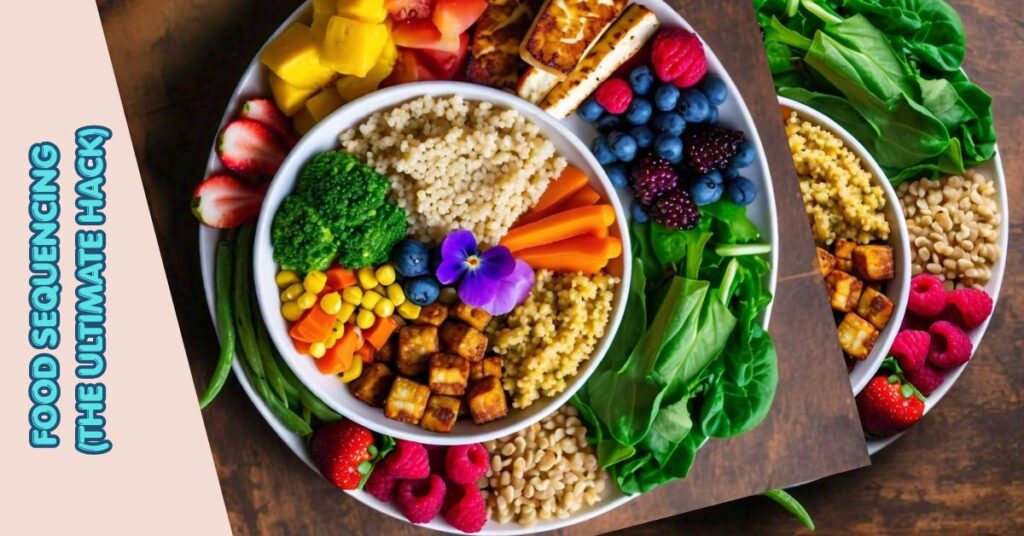
If you take only one piece of advice from this entire guide, let it be this: the order in which you eat your food matters just as much as what you eat. Research on food sequencing has found that eating the exact same meal, but changing the order of the components, can meaningfully reduce the blood sugar spike that follows — in some studies by as much as 70%.
The Ideal Order of Operations
- Veggies first (fiber): coats the intestinal lining, slowing the glucose absorption that follows
- Protein and fats second: further slows digestion, signals fullness
- Carbs and sugars last: digestion moves at a slow, controlled pace
How to Apply This in Real Life
- The dessert rule: have sweets right after a balanced meal, not as a standalone snack
- At a restaurant: order a side salad before the bread basket arrives
- At holidays: eat green beans and turkey before mashed potatoes and stuffing
Chapter 4: The Savory Breakfast Revolution
In the United States, breakfast is essentially dessert in disguise. Cereal, muffins, pancakes with syrup, flavored yogurts, and Frappuccinos are cultural staples — and starting your day with a hit of pure sugar sets off cravings that follow you until bedtime.
Flipping the Script: Go Savory
Switching to a savory breakfast that prioritizes protein and healthy fats keeps insulin steady from the moment you wake up.
- The Classic: 2–3 scrambled eggs, spinach, half an avocado
- The Quick Fix: leftovers from last night’s dinner
- The No-Cook Option: full-fat Greek yogurt with chia seeds, walnuts, berries
- The Protein Smoothie: protein powder, spinach, almond milk, peanut butter, flaxseed
Rethinking Your Morning Coffee
Coffee itself doesn’t spike blood sugar — what you put in it does. Switch to whole milk or unsweetened almond/coconut milk, use stevia or monk fruit for sweetness, and avoid coffee on a completely empty stomach.
Chapter 5: Movement as Medicine (No Gym Required)
Your muscles are the biggest consumers of glucose in your body. When you contract your muscles, they can absorb glucose from your bloodstream without needing insulin.
The 10-Minute Post-Meal Walk
A gentle 10–15 minute walk shortly after a meal can meaningfully reduce your post-meal blood sugar spike.
- Lunch break: eat, then take a 10-minute stroll
- After dinner: walk the dog or stroll the neighborhood
- Bad weather: housework, pacing during a call, or gentle squats work just as well
Building Muscle for Long-Term Control
More muscle mass means a bigger “sink” for storing glucose. Resistance training 2–3 times a week improves insulin sensitivity around the clock.

Chapter 6: The Hidden Drivers: Sleep and Stress
The Sleep Deprivation Trap
Less than 7 hours of sleep causes your body to release less insulin, become temporarily less insulin-sensitive, and produce more ghrelin and less leptin — leading to a higher baseline blood sugar and larger spikes the next day.
- Aim for 7–9 hours of quality sleep
- Keep your bedroom cool, dark, and quiet
- Put screens away at least an hour before bed
Cortisol and Chronic Stress
Chronic psychological stress causes a chronic drip of cortisol, which means a chronic drip of glucose into your blood — regardless of diet.
- Breathwork: try 4-7-8 breathing when overwhelmed
- Boundaries: protect your downtime
- Nature: even 20 minutes a week outdoors can lower cortisol

Chapter 7: Best Daily Habits That Help Stabilize Blood Sugar Long Term
In the United States, we’re obsessed with the “quick fix.” But the secret to long-term blood sugar stability isn’t a crash diet — it’s consistency. Your body doesn’t want perfection, it wants rhythm.
A note before you begin: The habits below — especially longer gaps between meals — are intended for generally healthy adults. If you take insulin or a medication that can cause low blood sugar, changing your meal timing or skipping snacks without medical guidance can increase your risk of hypoglycemia. Talk to your doctor before adjusting your eating schedule if you manage diabetes with medication.
1. Stop the “Syrup Effect”: Hydrate Before You Caffeinate
When you’re dehydrated, blood volume drops, so the same glucose becomes more concentrated — like syrup — triggering more insulin release. Drink a full glass of water before your morning coffee, and another 20 minutes before lunch and dinner.
2. Ditch the “Snack Culture” to Give Your Insulin a Nap
Every time you eat, your pancreas releases insulin. Eating every two hours keeps insulin from ever dropping to baseline. Eat filling meals so you stay satisfied 3–4 hours between meals. (See the medical note above if you take diabetes medication.)
3. Eat Your Protein First
The same food-sequencing principle from Chapter 3, applied at every meal: protein, fat, and fiber first; starchy carbs and sweets last.
4. Keep Moving After Meals
As covered in Chapter 5, a 10-minute walk after eating is one of the single highest-leverage habits on this list.
5. Protect Your Sleep Like Your Life Depends On It
Set a “wind-down” alarm 45 minutes before your target bedtime, keep your room cool (65–68°F), and charge your phone across the room.
Why consistency beats the crash diet every time: biology doesn’t care about a strict 30-day plan if you return to old habits on day 31. It cares about what you do most of the time.
Chapter 8: Smart Pantry Swaps and Natural Hacks
The Magic of Apple Cider Vinegar (ACV)
Clinical research on vinegar and post-meal glucose has found that a tablespoon before a meal can reduce the following blood sugar spike, in some studies by as much as 30% [2]. Mix one tablespoon of raw, unfiltered ACV into a glass of water and drink through a straw 10–20 minutes before your heaviest meal.
Cinnamon: The Sweet Spice With a Kick
Early research suggests certain cinnamon compounds may improve insulin sensitivity, though study sizes are generally small and results vary [3]. A reasonable low-risk addition, not a replacement for the habits above.
Upgrade Your Carbohydrates
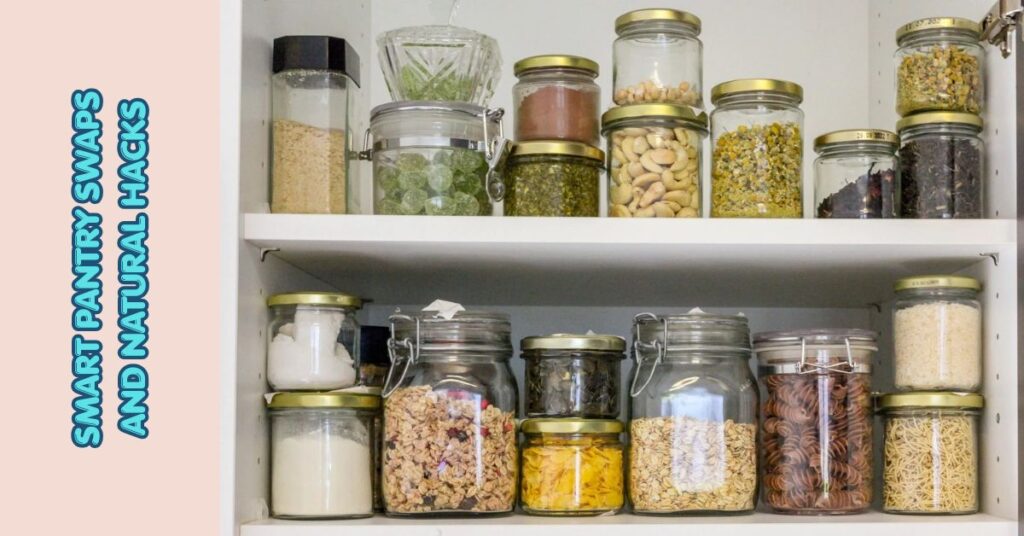
- Swap white rice for quinoa, cauliflower rice, or wild rice
- Swap standard pasta for chickpea or lentil pasta, or zucchini noodles
- Swap plain white bread for true slow-fermented sourdough
- Swap fruit juice for whole, fresh fruit
Chapter 9: Listening to Your Body (The Bio-Individual Approach)
Nutrition is highly personalized — bio-individuality is shaped by genetics, gut microbiome, muscle mass, and stress levels.
Signs of a balanced meal: full for 3–4 hours, steady energy, stable mood, no snack-obsessing. Signs of a blood sugar crash: sleepy right after eating, headache, sugar cravings, jitteriness an hour or two later.
A Note on Continuous Glucose Monitors (CGMs)
A CGM — a small sensor worn on your arm — can be genuinely motivating for tracking your own bio-individuality. Not necessary to benefit from this guide, but useful for seeing which habits move your own numbers most.

Signs Your Blood Sugar May Need Better Daily Support
Simple Early Warning Signs That Your Blood Sugar May Not Be as Stable as It Should Be…
| Symptom | Related Guide |
| Feeling tired after meals | Why Do I Feel Tired After Eating? |
| Constant sugar cravings | What Causes Constant Sugar Cravings |
| Stubborn belly fat | Stubborn Belly Fat as a Warning Sign |
| Afternoon energy crashes | Afternoon Energy Crash Explained |
| Brain fog after eating | Brain Fog After Eating |
| Hungry soon after meals | Hungry After Eating? Here’s Why |
| Harder to manage after 40 | Why Blood Sugar Gets Harder After 40 |
When to See a Doctor
The habits in this guide are meant for everyday support, not to replace medical care. Contact your doctor if you experience:
- Excessive thirst or a dry mouth that doesn’t go away
- Frequent urination, especially at night
- Blurred vision
- Unexplained weight loss
- Slow-healing cuts or sores
- Persistent fatigue that doesn’t improve with the habits above
If you already take medication for diabetes and notice symptoms of low blood sugar (shakiness, sweating, confusion), treat it immediately per your doctor’s instructions and follow up with them.
Frequently Asked Questions
What foods stabilize blood sugar the fastest?
Protein- and fiber-rich foods eaten before carbs — like eggs, Greek yogurt, or a handful of nuts — slow glucose absorption the fastest.
Can walking after a meal really lower blood sugar?
Yes. A 10–15 minutes walk after eating lets your leg muscles absorb glucose directly from your bloodstream without needing extra insulin.
How long does it take to stabilize blood sugar naturally?
Same-day effects from habits like post-meal walking; broader improvements typically build over 2–4 weeks of consistency.
Do I need to cut out carbs completely?
No. The goal is pairing carbs with protein, fat, and fiber, and adjusting eating order — not elimination.
Is apple cider vinegar actually effective for blood sugar?
Some clinical research suggests a tablespoon before meals can reduce the following spike, though effects vary by individual.
Can stress alone raise blood sugar even with a good diet?
Yes. Chronic stress keeps cortisol elevated, which signals your liver to release stored glucose regardless of diet.
The Bottom Line
Stabilizing your blood sugar naturally doesn’t require a miserable, restrictive existence. The goal is metabolic resilience: adding protein, fat, and fiber; paying attention to eating order; incorporating gentle movement; and managing stress and sleep.
For most people, the habits in this guide are enough on their own. But if diet, movement, and sleep are already tightened up and something still feels missing, some people add a targeted blood-sugar-support supplement to fill the gap.
You’re stepping off the rollercoaster and getting your energy, focus, and freedom back.
Sources
- [1] Shukla AP, et al. “Food Order Has a Significant Impact on Postprandial Glucose and Insulin Levels.” Diabetes Care, 2015.
- [2] Johnston CS, et al. “Vinegar Improves Insulin Sensitivity to a High-Carbohydrate Meal.” Diabetes Care, 2004.
- [3] Costello RB, et al. “The Effectiveness of Cinnamon in Glycemic Control.” Diabetes/Metabolism Research and Reviews, 2016.
This article is for informational purposes only and is not a substitute for professional medical advice.