
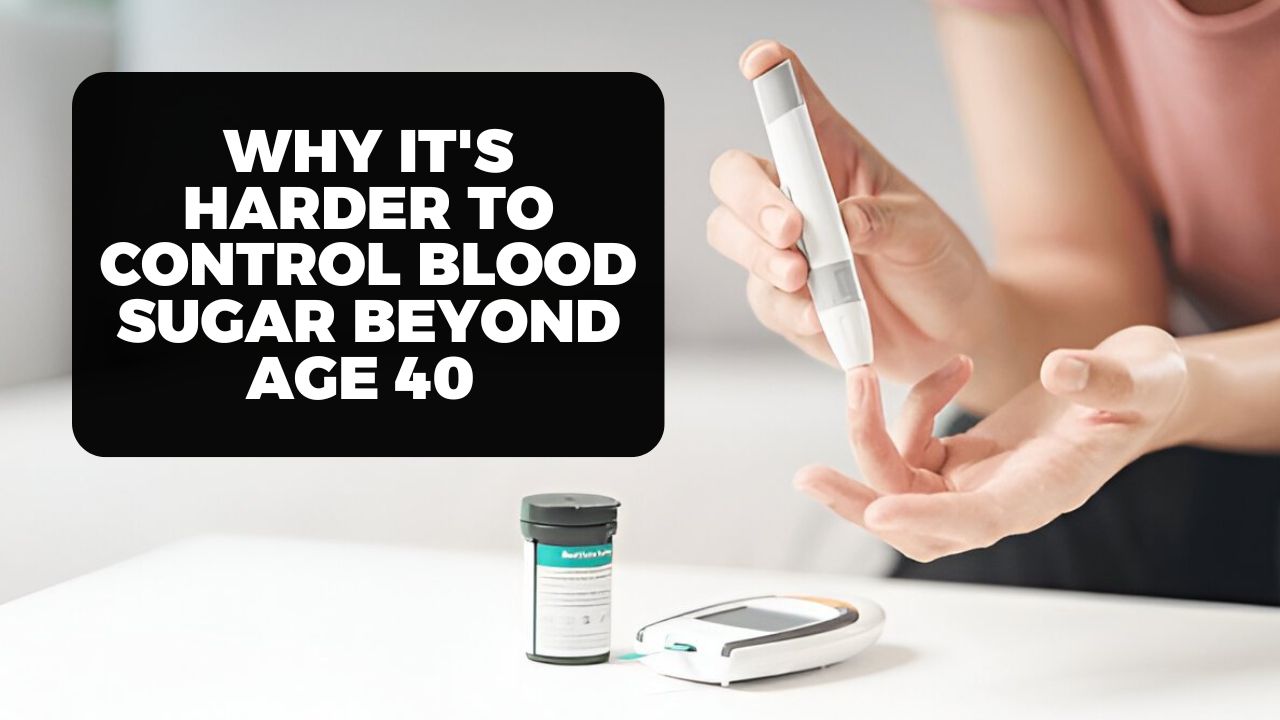
Why it’s harder to control blood sugar beyond age 40 (and what really helps)
Blood sugar control becomes harder after age 40 because metabolism slows down, insulin sensitivity decreases, muscle mass declines, and hormonal changes affect how the body processes glucose.
You’re not the only person over 40 who has higher blood sugar even though they eat “normally.” Blood sugar levels often rise in adults between the ages of 40 and 50. This isn’t because they’re doing something wrong, but because, as people age, their bodies change how they handle glucose.
The good news? The more you know about why it gets harder to control your blood sugar after age 40, the better steps you can take to naturally support healthy glucose levels.
Blood sugar imbalance could be a silent problem if you’ve been feeling fatigued even after eating, having energy dumps, gaining weight that won’t go away, or having cravings all the time.

As people in the US get older, they may start to have problems with their blood sugar, even if they haven’t had any previously. These changes can be very annoying because they frequently happen slowly and without any clear warning signs.
Let’s talk about why this happens, what most people don’t think about, and how to naturally boost blood sugar without going on severe diets or taking dangerous shortcuts.
Table of Contents
What Happens to Blood Sugar Levels Between Age 40 to 50?
Between the ages of 40 and 50, many adults start noticing changes in their blood sugar levels—even if their diet hasn’t changed much. This is a common phase where the body becomes less efficient at handling glucose. Muscle mass naturally declines with age, metabolism slows down, and the body doesn’t use sugar for energy as effectively as it once did.
For many people in this age group, blood sugar levels may stay higher for longer after meals, or fasting numbers may slowly creep up over time. This doesn’t always mean diabetes—but it does signal that the body needs more support than before. The key is understanding that these changes are age-related and manageable when addressed early.
How Aging Affects Insulin Sensitivity
Insulin sensitivity plays a major role in blood sugar control, and aging has a direct impact on it. As we get older, cells often become less responsive to insulin, making it harder for glucose to move from the bloodstream into the cells where it’s needed for energy.
Hormonal shifts, increased stress, reduced physical activity, and changes in body composition all contribute to this process. For adults between 40 and 50, this can mean blood sugar spikes happen more easily—even from foods that never caused issues before. Supporting insulin sensitivity becomes especially important during this stage to help maintain stable, healthy glucose levels.
Common Mistakes People Over 40 Make
One of the biggest mistakes people over 40 make is assuming that what worked in their 20s or 30s will still work now. Skipping meals, relying heavily on refined carbs, not prioritizing sleep, or underestimating stress can all negatively impact blood sugar levels at this age.
Another common issue is waiting too long to take action. Mildly elevated blood sugar levels are often ignored because there are no obvious symptoms. But early support—through smarter nutrition, regular movement, and metabolic support—can make a meaningful difference before bigger problems develop.
Along with healthy food choices and regular movement, many people over 40 look for additional nutritional support to help maintain balanced blood sugar levels—especially when lifestyle changes alone aren’t enough.
The Change That Happens When You Get Older
As we age, our bodies don’t break down carbohydrates the same way they did to. Muscle mass naturally decreases, metabolism slows down, and cells may not respond as well to insulin.
This doesn’t indicate something is “wrong.” It only means that the body requires more help than it did before.
Some common causes are:
- Diets high in carbs and processed foods.
- Sitting for a long time.
- Bad sleep quality.
- Long-term stress.
- Lack of nutrients.
These things don’t seem like they would hurt you on their own, but collectively, they slowly throw off your blood sugar balance.

Signs That Your Blood Sugar Might Be Off
A lot of individuals think that problems with blood sugar only show up in lab tests. In fact, daily symptoms generally show up first:
- Energy crashes in the afternoon
- Strong desires for sugar or carbs
- Feeling foggy in the head after eating
- More fat in the stomach
- Being hungry soon after eating
These indicators don’t mean you have an illness; they only mean that your body might be having trouble keeping your blood sugar levels stable.
Why “Eat Less Sugar” Isn’t Enough
Cutting back on sugar is helpful, but it’s not the whole story.
The balance of blood sugar depends on:
- How quickly carbohydrates get into the body
- How well insulin works on cells
- How well glucose is used to make energy
This is why a lot of people eat “healthy” but still don’t feel right. To help with blood sugar, you need to do more than stay away from sweets.
How People Naturally Help Keep Their Blood Sugar Healthy
Many people in the US practice these routines that have been shown to work:
1. Meals that are balanced
- To slow down glucose surges, eat carbs with protein, fiber, and healthy fats.
2. Moving every day
- Taking short walks after meals helps muscles take in glucose.
3. Consistency in sleep
- Bad sleep might make your blood sugar go up the next day.
4. How to deal with stress
- Stress hormones have a direct effect on glucose levels.

5. Nutrition that is specific to your needs
- Some minerals and plant components are known to help the body break down glucose.
- This is where a lot of folks start looking into natural supplements that help keep blood sugar levels stable.
- Supplements fit in without taking the place of anything.
- Supplements are not drugs. They don’t take the place of adjustments to your lifestyle or medications.
But a lot of people use them to:
- Help the body use glucose.
- Make insulin work better.
- Help keep your energy levels consistent.
GlucoBerry is a supplement that comes up a lot in research and conversations with consumers.
Many people over 40 look for extra nutritional support to help keep their blood sugar levels in check, especially when making healthy food choices and regular exercise aren’t enough.
A blood sugar support supplement made by doctors can be a smart part of a daily habit because it helps with insulin sensitivity, metabolism, and glucose balance overall.
Always pick supplements that are made with natural ingredients, in approved facilities, and have real customer reviews to back them up.

Here is a detailed breakdown: GlucoBerry Review Page.
Frequently Asked Questions
-
Q-1: Why does blood sugar rise from 40 to 50 years old?
Between the ages of 40 and 50, insulin resistance, less muscle mass, a slower metabolism, and changes in hormones that affect how glucose is regulated all cause blood sugar to rise.
-
Q-2: What is a healthy blood sugar number for people 40 to 50 years old?
A normal blood sugar reading for adults 40 to 50 years old is usually between 70 and 99 mg/dL when they wake up. Insulin resistance or pre-diabetes may be present at levels above this.
-
Q-3: Is it possible to automatically control blood sugar after 40?
Yes, you can easily control your blood sugar after age 40 with a healthy diet, regular exercise, enough sleep, learning how to deal with stress, and specific nutritional support.
-
Q-4: Why is it more important to make changes to your life after 40?
The body gets worse at handling glucose after age 40. This makes food, exercise, and daily habits even more important for keeping blood sugar levels stable.
-
Q-5: Is it normal to become insulin-resistant after age 40?
Yes, insulin resistance is more common after age 40 because of changes in hormones and metabolism that come with getting older, especially if you don’t do much.
Final Thoughts on Blood Sugar Control After 40
If managing blood sugar between age 40 to 50 feels harder than it used to, you’re not imagining it. With the right habits—and the right support—you can take control naturally and confidently.
Over time, small improvements you make every day, along with the correct nutrition, can have a big impact.