

Afternoon Energy Crash? 3PM Fatigue & Blood Sugar Cause
We have all been there. You enjoy a hearty lunch, head back to your desk, and within an hour or two, that dreaded afternoon energy crash hits you. Your eyelids feel incredibly heavy, your brain gets foggy, and all you want to do is curl up under your desk for a nap.
For millions of Americans working desk jobs, the 2 PM to 4 PM window is when productivity drops the most. Many assume it’s just part of getting older or working long hours—but in reality, your metabolism may be sending an early warning signal.
You might even hear your coworkers laughing about needing a 3:00 PM coffee just to make it through the rest of the workday. But feeling completely exhausted every single afternoon is not actually normal. Food is supposed to be your body’s primary fuel source. It should give you energy, focus, and drive, not take it all away.
If you find yourself constantly struggling to stay awake at your desk, your body is trying to send you a crucial, urgent message. That overwhelming afternoon fatigue is not just a sign that you ate too much; it is one of the most common warning signs of a blood sugar imbalance. Learning how to stabilize blood sugar naturally without strict dieting can often reduce these crashes faster than most people expect. Here is the true science behind why this daily crash happens and, more importantly, how you can stop it for good.
Table of Contents
What Causes an Afternoon Energy Crash After Lunch?
An afternoon energy crash after lunch is primarily caused by a sudden spike and rapid drop in blood sugar levels. When you eat a meal high in fast-digesting carbohydrates, your body processes the food too quickly, flooding your bloodstream with glucose. This triggers a strong insulin response that clears the sugar away just as fast, leading to a steep energy drop.
Instead of receiving a steady stream of fuel, your brain experiences this unstable supply as a biological roller coaster, leaving you feeling heavy, sleepy, and unfocused within an hour of eating. While many people accept this 3:00 PM slump as normal, it is often an early warning sign that your metabolism is struggling to maintain stable energy throughout the day.
Why Do I Feel Tired at 3PM Every Day Even After Eating Lunch?
In the medical world, extreme tiredness after eating has an official name: postprandial somnolence. While it sounds complicated, the biological mechanics behind it are usually quite simple.

When you eat, your digestive system immediately goes to work breaking down your food into usable energy. To pull this off, your nervous system shifts into “rest and digest” mode, directing a steady flow of blood down to your stomach and intestines.
This natural, healthy digestive process might make you feel slightly relaxed, but it should never be intense enough to make you feel like you need a three-hour nap to survive the afternoon. If you are experiencing severe, heavy fatigue right around 3:00 PM, it means your midday meal triggered a chaotic chemical chain reaction that just put your hormones on a highly stressful roller coaster.
Midday Fatigue Causes Most People Don’t Realize Are Blood Sugar Related
To fix the problem, we have to look past the calories and focus on what is happening inside your bloodstream the moment your lunch hits your stomach. The culprit usually comes down to three main biological factors working together to drain your energy.
These kinds of energy swings often improve when your body maintains a steadier glucose response throughout the day using simple strategies like those explained in how to stabilize blood sugar naturally without strict dieting.
The Carbohydrate Overload
The standard American diet is heavily loaded with refined, processed carbohydrates. Think about a typical lunch: a large submarine sandwich on thick white bread, a slice of pizza, a bowl of pasta, or a large sweetened iced tea.
When you eat a large amount of these simple, “naked” carbs, your stomach breaks them down incredibly fast. They hit your bloodstream as a massive tidal wave of pure glucose (sugar). Your body gets a sudden, unnatural rush of energy, but it is way too much fuel to handle all at once.
The Massive Insulin Surge
Consistently elevated blood sugar levels over time may place extra stress on your blood vessels and overall metabolic health, so your body springs into action to protect itself. Your pancreas hits the panic button and pumps out a massive wave of a hormone called insulin. Insulin acts like a fleet of delivery trucks, working aggressively to clear the excess sugar out of your blood.

According to metabolic research published by organizations like the American Diabetes Association, large swings in blood sugar can directly affect energy stability throughout the day. Because the sugar spike from your meal was so huge, your body overcompensates. It sends out way too much insulin, which clears the sugar out too fast. This creates a sudden, steep drop in your blood sugar. Your brain, which relies on a steady stream of glucose to stay awake and focused, is suddenly completely starved for fuel. The result is an immediate, brutal crash in your physical and mental energy.
The Tryptophan and Serotonin Effect
The food you eat also directly alters your brain chemistry. You have probably heard the myth that Thanksgiving turkey makes you sleepy because it contains an amino acid called tryptophan. In reality, it is the mashed potatoes, stuffing, and pie that do the damage.
When you eat a heavy carbohydrate meal, it causes your body to absorb competing amino acids into your muscles, leaving tryptophan all alone in your bloodstream. Tryptophan then travels directly to your brain, where it is converted into serotonin and melatonin. These are the exact same relaxing chemicals your body produces at night to help you sleep. You are literally feeding your brain natural sleeping pills right in the middle of the workday.
The Real Reason Your Energy Slump Happens Every Afternoon
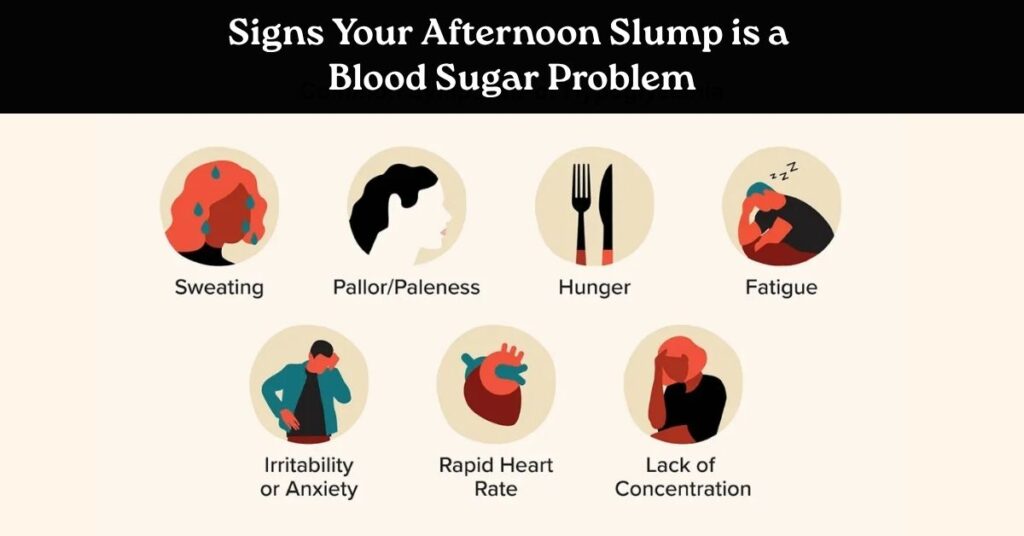
How do you know if your tiredness is just from a poor night of sleep or if it is a true blood sugar issue? Look for these common metabolic warning signs:
The 45-Minute Window
Your fatigue does not happen the second you finish eating. It hits predictably right around the 30 to 45-minute mark, which is the exact time your insulin levels peak.
The Immediate Sugar Craving
Even though you just ate a huge meal and your stomach is full, you feel an intense, undeniable urge to eat something sweet (like chocolate or a sugary coffee) just to “wake up.”
Severe Brain Fog
It is not just physical tiredness. You stare at your computer screen, struggle to read a simple email, or find it difficult to hold a clear conversation.
Sudden Irritability
You feel instantly cranky, short-tempered, or anxious as your energy levels plummet below normal.
How to Stop Feeling Tired After You Eat (Natural Solutions)
You do not have to rely on three cups of strong coffee to survive the afternoon. You can completely prevent the post-meal crash by changing how your body processes your food using strategies similar to those explained in this guide on how to stabilize blood sugar naturally without strict dieting.
Build Meals Around the “Satiety Trio”
The golden rule of stable energy is to never eat carbohydrates entirely by themselves. Always pair your carbs with the “Satiety Trio”: high-quality protein, healthy fats, and fiber.
Protein (like grilled chicken or eggs) and healthy fats (like avocado or olive oil) digest very slowly. When you eat them alongside your carbs, they act like a heavy speed bump in your digestive tract. They force the sugar from your food to enter your blood slowly and steadily, completely preventing the massive glucose spike and the exhausting crash that always follows.
Take a 10-Minute Post-Meal Walk
Sitting perfectly still at your desk or on the couch after a meal allows all that new sugar to pool up in your bloodstream. Instead, make it a daily habit to get up and move for just 10 minutes right after you finish eating.
Your muscles have a unique superpower: when they are moving, they can absorb sugar directly from your blood without needing any insulin at all. A gentle walk acts like a biological sponge, soaking up the excess sugar safely and keeping your energy levels perfectly flat and stable.
Drink Apple Cider Vinegar Before Eating
Research shows that the natural acetic acid found in raw apple cider vinegar helps temporarily slow down the digestive enzymes in your stomach that break down starches into sugar. Mixing just one tablespoon into a tall glass of water about 20 minutes before a heavy meal can significantly flatten your blood sugar curve and keep your afternoon energy intact.
Daily Support for Healthy Blood Sugar Levels

Consistently choosing perfectly balanced foods and taking a walk after every single meal is the ultimate goal, but real modern life is busy and unpredictable. Even with healthy meals, modern diets and stress can still make blood sugar harder to regulate consistently.
This is why many health-conscious Americans are incorporating targeted nutritional support into their daily morning routines. Natural supplements like GlucoBerry are specifically formulated to support the body’s built-in blood sugar management systems.
Instead of just masking the fatigue with caffeine, GlucoBerry is designed to support the kidneys’ natural role in maintaining healthy blood sugar balance as part of the body’s metabolic drainage system. It offers an extra layer of defense against those massive, energy-draining post-meal spikes. When your internal environment is calmly balanced and your body’s drainage system is fully supported, avoiding the dreaded food coma becomes much easier.
If afternoon crashes are becoming routine, take a closer look at GlucoBerry reviews to see how it supports steady blood sugar and all-day energy.
Final Thoughts: Reclaim Your Afternoon Energy
Food is meant to be the premium fuel that drives your day forward, not the heavy anchor that drags you down. If you are constantly battling deep fatigue every afternoon, it is time to start listening to your body’s warning signals.
By understanding the biology of blood sugar, insulin, and digestion, you can make smarter, empowering choices every time you sit down to eat. Start balancing your plates with protein and fiber, take a short walk after lunch, and consider exploring natural metabolic support to keep your systems running smoothly. By successfully flattening your blood sugar curve, you can completely eliminate the 3 PM energy slump and finally enjoy smooth, steady, and clear energy all day long.