
Why Do I Feel Tired After Eating? Hidden Blood Sugar Cause
Imagine this: It is 2:00 PM. You just finished a delicious lunch and sat back down at your desk or on your couch. But instead of feeling energized and ready to tackle the rest of the day, your eyelids start to feel like they are made of lead. Your brain gets foggy, your motivation disappears, and all you want to do is curl up and take a nap.
Sound familiar? You are definitely not alone.
Most of us have experienced this afternoon slump. We often joke about being in a “food coma” after a big holiday meal. But if you find yourself asking, why do I feel tired after eating on a regular Tuesday, there might be something more going on. It is not just about being lazy or not getting enough sleep the night before. Very often, the real culprit is a hidden blood sugar problem that most people completely miss.
In this guide, we are going to explore exactly why your body shuts down after you eat, how the food you choose plays a massive role, and what you can do to stabilize your energy naturally without having to go on a miserable, super-strict diet.
Table of Contents
The Body’s Engine: How We Turn Food into Energy
To understand the problem, we first need to look at how things are supposed to work. Your body is a lot like a car engine. A car needs gas to run, and your body needs food. When you eat, your digestive system gets to work breaking down the food into smaller parts.
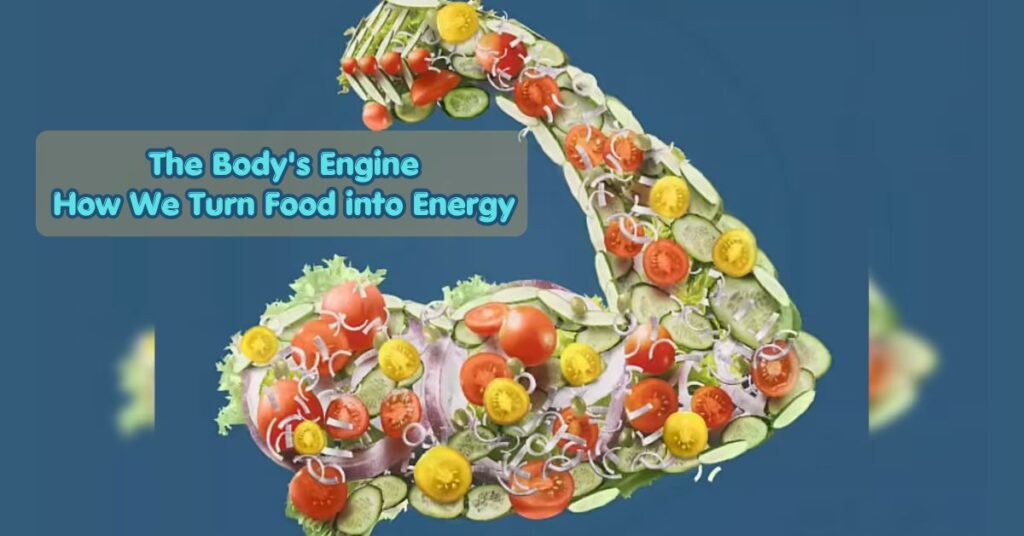
The most important part of this process involves a simple sugar called glucose. Glucose is the primary fuel for your brain, your muscles, and almost every cell in your body. When you eat, especially foods that contain carbohydrates, your body breaks them down into glucose, which then enters your bloodstream.
When your blood sugar (glucose) levels rise, your body gets a signal. An organ located just behind your stomach, called the pancreas, acts like a smart thermostat. It senses the rising sugar and releases a hormone called insulin.
You can think of insulin as a key. It travels through your blood, unlocking the doors to your cells so that the glucose can go inside and be used for energy. If everything works perfectly, your blood sugar goes up a little bit after a meal, the insulin does its job, the sugar enters your cells, and your blood sugar gently returns to normal. You feel full, happy, and energized.
But what happens when this perfectly balanced system goes wrong?
The Roller Coaster: The Real Reason You Crash
The system we just talked about works best when the fuel (glucose) enters your bloodstream at a steady, manageable pace. But the modern diet is often full of foods that rush into the bloodstream all at once.
When you eat a meal that is very heavy in processed carbohydrates or sugars, your digestive system breaks it down incredibly fast. This causes a massive, sudden flood of glucose into your bloodstream. This is known as a blood sugar spike.
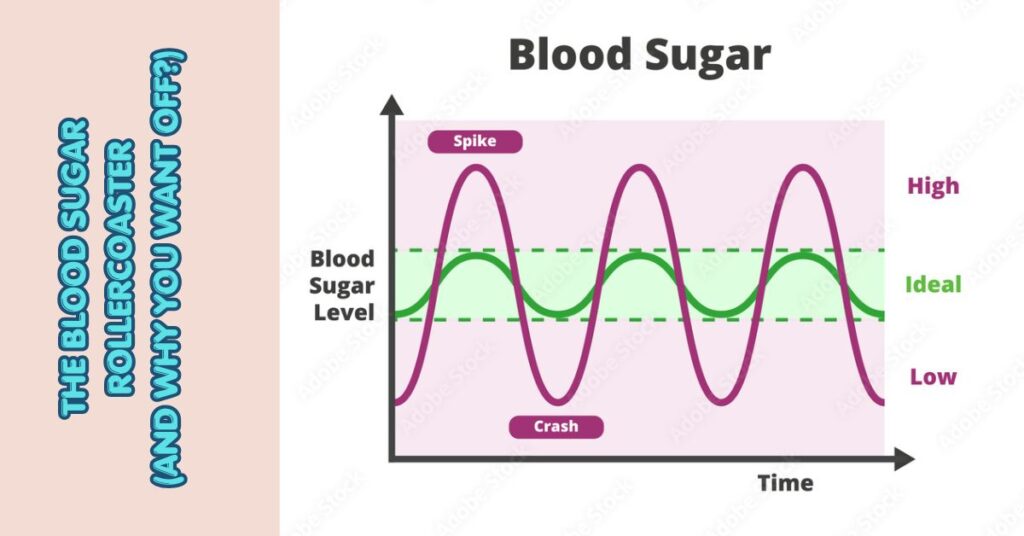
Your pancreas panics. It sees this huge wave of sugar and thinks, “Emergency! We need to get this sugar out of the blood and into the cells right now!” So, it pumps out a massive amount of insulin.
This is where the problem starts. Because there is so much insulin in your blood, it does its job too well. It unlocks all the cells and shoves the glucose inside so fast that your blood sugar levels do not just return to normal—they drop way below normal.
This sudden drop is called a post meal energy crash (or reactive hypoglycemia). When your blood sugar crashes, your brain and body are suddenly starved of the fuel they need. The result? You feel completely exhausted, shaky, weak, and desperate for a nap.
This roller coaster ride—the massive spike followed by the deep crash—is the primary answer to the mystery of your after-meal fatigue.
The Carb Connection: Why Do I Feel Sleepy After Eating Carb
Not all foods are created equal when it comes to your energy levels. If you notice that you feel exceptionally sleepy after eating carbs, there is a very specific biological reason for it.
Carbohydrates are the body’s preferred source of quick energy. However, they are divided into two main categories: simple and complex.

Simple Carbohydrates (The Fast Burners)
Simple carbs are foods like white bread, white pasta, pastries, soda, fruit juice, and anything made with refined sugar. These foods have had most of their fiber and nutrients stripped away. Because there is no fiber to slow down digestion, your body turns these foods into glucose almost instantly.
Eating simple carbs is like throwing a piece of paper onto a fire. It burns bright and hot for a few seconds, but then it is gone, leaving you with nothing. These are the foods that cause the most severe blood sugar spikes and the worst crashes.
Complex Carbohydrates (The Slow Burners)
Complex carbs are foods like sweet potatoes, oats, brown rice, beans, and whole grains. These foods contain fiber, which acts like a sponge in your stomach. The fiber slows down the digestion process, meaning the glucose drips into your bloodstream slowly and steadily over several hours.
Eating complex carbs is like putting a thick log on a fire. It burns slowly, giving you a steady source of heat and energy for a long time.
The Brain Chemical Connection
There is another reason you might feel tired after a high-carb meal. Eating heavy carbohydrates triggers your body to release more insulin. As we discussed, insulin moves sugar into your cells. But it also helps certain amino acids (the building blocks of protein) move into your muscles.
However, it leaves one specific amino acid behind in your bloodstream: tryptophan. You might have heard of tryptophan; it is the chemical in turkey that people blame for Thanksgiving tiredness. Because insulin pushes other amino acids out of the way, tryptophan has a clear path straight to your brain.
Once in your brain, tryptophan is converted into serotonin. Serotonin is a “feel-good” hormone that helps you relax. But serotonin is also converted into melatonin, the hormone that tells your body it is time to go to sleep. So, a heavy carbohydrate meal literally creates the chemicals in your brain that force you to fall asleep.
Beyond Blood Sugar: Other Causes of Fatigue After Meals
While the blood sugar roller coaster is the most common cause of the afternoon slump, it is important to look at the whole picture. If you are struggling with fatigue after meals, there might be a few other hidden factors making the problem worse.
1. You Are Eating Too Much at Once
Digestion takes a massive amount of energy. When you eat a huge meal, your body has to direct a large portion of your blood flow and energy to your stomach and intestines to process all that food. This means there is less blood flow and energy available for your brain and muscles. If you regularly eat very large portions, simply cutting back on the size of your meals can make a big difference.
2. You Are Not Chewing Your Food Properly
Digestion begins in your mouth, not your stomach. Your saliva contains enzymes that start breaking down carbohydrates before you even swallow. If you inhale your food in five minutes without chewing it thoroughly, you are making your stomach work twice as hard. This extra work drains your energy.
3. Food Sensitivities and Intolerances
Sometimes, your body simply does not agree with certain foods. Common culprits include dairy, gluten, soy, or artificial additives. If you eat a food that you are sensitive to, your body treats it like an invader. This triggers an immune response and inflammation, which uses up a ton of energy and leaves you feeling completely drained. If you suspect this is the case, keeping a simple food journal can help you spot patterns.
4. Poor Sleep Habits
This might sound obvious, but it is often ignored. If you are not getting 7 to 8 hours of quality sleep at night, you are starting your day with an empty battery. Your body might be able to push through the morning on caffeine and adrenaline, but once you eat lunch and your body relaxes to digest, the sleep deprivation catches up with you all at once.
How to Break the Cycle and Stabilize Your Energy Naturally
The good news is that you do not have to live with this daily fatigue. You also do not have to give up all your favorite foods or go on a miserable, restrictive diet. By making a few simple, smart tweaks to how and when you eat, you can naturally stabilize your blood sugar and keep your energy levels high all day long.
1. Never Eat “Naked” Carbohydrates
One of the best ways to stop a blood sugar spike is to change the way you eat your carbs. Never eat carbohydrates by themselves (what nutritionists sometimes call eating “naked” carbs).
If you eat a bowl of plain white rice or an apple by itself, the sugar hits your bloodstream quickly. But if you pair that carbohydrate with a good source of protein or healthy fat, everything changes.
Protein and fat digest very slowly. When you mix them with a carbohydrate in your stomach, they act like a roadblock. They slow down the entire digestion process, turning a fast-burning simple carb into a slower-burning energy source.
How to do it:
- Instead of just eating a banana, eat a banana with a spoonful of peanut butter or almond butter.
- Instead of plain toast, put an egg or some avocado on top.
- If you are having pasta, make sure it includes a generous portion of chicken, fish, or a hearty meat sauce.
2. The Magic of a 10-Minute Walk
This is perhaps the easiest and most powerful trick to stop the post-meal slump. When you sit completely still after eating a meal, the glucose from your food builds up in your bloodstream, waiting for insulin to deal with it.

But your muscles have a secret superpower. When you move your muscles, they can absorb glucose from your blood without needing insulin.
Going for a gentle, easy walk for just 10 to 15 minutes immediately after eating uses up the excess sugar in your bloodstream right as it enters. This flattens the blood sugar spike, prevents the massive insulin release, and stops the crash before it ever happens. You do not need to break a sweat; a casual stroll around the block or even just doing some chores around the house is enough.
3. Change Your Eating Order
Believe it or not, the order in which you eat the food on your plate can completely change how your body processes it. Studies have shown that if you eat the components of a meal in a specific order, you can reduce your blood sugar spike by up to 70%!
The ideal order is:
- Vegetables (Fiber): Eat your veggies first. The fiber coats your stomach and creates a mesh-like barrier that slows down digestion.
- Proteins and Fats: Eat your meat, fish, eggs, or healthy oils next.
- Carbohydrates: Save the starches and sugars (rice, potatoes, bread, dessert) for last.
By the time the carbohydrates hit your stomach, they are trapped behind the fiber, protein, and fat. They digest much slower, giving you smooth, steady energy instead of a spike and crash.
4. Hydrate Before You Eat
Sometimes, what feels like fatigue is actually dehydration. Your body needs plenty of water to digest food properly. If you are dehydrated, your blood becomes thicker, and your body has to work harder to circulate nutrients.
Try drinking a tall glass of water about 20 to 30 minutes before your meals. This prepares your stomach for digestion and ensures your body has the fluids it needs. Avoid chugging massive amounts of ice water during the meal, as this can sometimes dilute your stomach acid, but staying hydrated overall is key to keeping your energy up.
5. Focus on Natural Blood Sugar Support
You do not need strict diets to manage this. Adding specific natural spices and foods to your routine can help your body manage sugar better. For example, cinnamon has been shown to improve insulin sensitivity, meaning your body needs less insulin to do the same job. Adding a dash of cinnamon to your morning oatmeal or coffee is an easy win. Focus on real, whole foods that nature provided, and your body will thank you by giving you the steady energy you deserve.

Signs Your Blood Sugar May Need Better Daily Support
If you are reading this and wondering if your energy issues are tied to your glucose levels, take a look at the checklist below. If you check off multiple boxes on this list regularly, it is highly likely that your blood sugar is on a daily roller coaster.
Checklist example:
- [ ] Feeling tired after meals: Feeling the need to lie down or sleep within 30 to 60 minutes after eating.
- [ ] Constant sugar cravings: Feeling an overwhelming urge to eat sweets, especially in the late afternoon or right after dinner.
- [ ] Stubborn belly fat: Struggling to lose weight, particularly around your midsection, even if you are trying to eat well.
- [ ] Afternoon energy crashes: Hitting a massive wall of exhaustion around 2:00 PM or 3:00 PM every single day.
- [ ] Brain fog after eating: Finding it hard to concentrate, losing your train of thought, or feeling “spaced out” when you haven’t eaten or shortly after a heavy meal.
- [ ] Feeling hungry soon after meals: Feeling like you need to eat again just an hour or two after a meal, never feeling fully satisfied.
Learn how to stabilize blood sugar naturally and start building steady energy today.
Conclusion
Feeling exhausted after you eat is incredibly common, but it is not something you just have to accept as a normal part of life. Your body is trying to send you a message. That deep, heavy fatigue is a sign that your engine is getting flooded with too much fuel too quickly, and the resulting crash is robbing you of your day.
By understanding the connection between your food, your blood sugar, and your energy, you can take your power back. Remember, you do not need to starve yourself or go on a diet that makes you miserable. It is all about balance.
Start small. Try pairing your carbohydrates with some protein and fat tomorrow. Take a gentle 10-minute walk after lunch. Try eating your vegetables before your starches. These small, natural shifts don’t require immense willpower, but they can completely transform how you feel. You deserve to live a life full of vibrant, steady energy from morning until night. Break the roller coaster cycle, and you will be amazed at how much better you can feel.
If these signs feel familiar, it may be time to take a closer look at your daily support—explore GlucoBerry reviews and see how it helps maintain balanced blood sugar and steady energy.