
Why it’s harder to control blood sugar beyond age 40 (and what really helps)
Quick Answer: Blood sugar control becomes harder after age 40 because of declining insulin sensitivity, muscle mass loss, slowing metabolism, and hormonal shifts — all of which reduce the body’s ability to efficiently process glucose. The good news is that targeted lifestyle habits, along with research-backed nutritional support, can meaningfully restore balance.
Table of Contents
What Really Happens to Blood Sugar Between Ages 40 and 50
Blood sugar control between the ages of 40 and 50 changes significantly — and it’s not your imagination. Research consistently shows that glucose metabolism begins shifting as early as the late 30s, with more pronounced effects in the fourth and fifth decades of life.
According to data from the American Diabetes Association, the prevalence of prediabetes in adults aged 45–64 in the United States is significantly higher than in younger age groups. Many people in this range are already experiencing elevated fasting glucose or impaired glucose tolerance without realizing it — because the symptoms are subtle and easy to dismiss as “just getting older.”
What’s Physiologically Changing?
Between 40 and 50, several simultaneous shifts occur in the body that make glucose regulation harder:
- Muscle mass declines by 3–8% per decade after age 30 (sarcopenia). Since skeletal muscle is responsible for up to 80% of post-meal glucose uptake, this loss alone has major consequences for blood sugar.
- Mitochondrial function decreases, reducing how efficiently cells convert glucose into usable energy — causing more glucose to remain circulating in the bloodstream.
- Hepatic glucose output becomes dysregulated, meaning the liver may release more glucose than the body needs, especially overnight.
- Adipose tissue (body fat) increases, particularly visceral abdominal fat, which is strongly associated with inflammation and insulin resistance.
- Hormonal production declines: Estrogen (in women), testosterone (in men), DHEA, and growth hormone all play roles in insulin sensitivity — and all decline with age.
For most adults in the US, this means that blood sugar levels may stay elevated longer after meals, fasting numbers may slowly drift upward over time, and the body simply requires more input — better habits, targeted nutrition, and sometimes additional nutritional support — to stay balanced.
How Aging Directly Affects Insulin Sensitivity
Insulin sensitivity is at the heart of blood sugar control — and aging has a well-documented, direct impact on it.
Insulin is the hormone produced by the pancreas that signals cells to absorb glucose from the bloodstream. When cells respond well to this signal, blood sugar is efficiently cleared after meals. When cells stop responding properly — a condition called insulin resistance — glucose stays elevated in the blood, the pancreas compensates by producing more insulin, and a progressively worsening cycle begins.
Why Does Insulin Sensitivity Decline With Age?
Multiple mechanisms are at work:
- Ectopic fat accumulation: As we age, fat is more likely to be stored within muscle cells (intramyocellular lipids) and in the liver. This fat directly interferes with insulin signaling at the cellular level.
- Chronic low-grade inflammation (“inflammaging”): Aging is associated with elevated levels of pro-inflammatory cytokines (like IL-6 and TNF-α), which impair insulin receptor function.
- Oxidative stress: The cumulative buildup of free radicals over decades damages mitochondria and cell membranes, reducing the efficiency of insulin-driven glucose transport.
- Hormonal decline: In women, the drop in estrogen during perimenopause is directly linked to worsening insulin resistance. In men, declining testosterone similarly impairs glucose metabolism.
- Reduced GLUT4 expression: Insulin works partly by triggering glucose transporter proteins (GLUT4) to move to the cell surface and pull in glucose. Aging reduces GLUT4 expression and activity in muscle cells.
The practical result: foods that never spiked your blood sugar at 28 may now cause a significant rise at 44. A bowl of oatmeal, a banana, or white rice can produce entirely different metabolic responses in your 40s than they did in your 20s.
The Science Behind Age-Related Glucose Dysregulation
Understanding the science empowers better decisions. Here’s what research tells us about the key drivers of blood sugar problems after 40:
Pancreatic Beta Cell Decline
The beta cells in the pancreas are responsible for producing insulin. Studies published in Diabetes Care and The Journal of Clinical Endocrinology & Metabolism confirm that beta cell mass and function decline progressively with age — meaning the pancreas simply produces less insulin in response to the same glucose load it handled easily in younger years.
The Gut-Glucose Connection
The gut microbiome — home to trillions of bacteria — plays a significant role in blood sugar regulation. Research shows that the diversity and composition of gut bacteria shift with age, often in ways that worsen glucose tolerance. A less diverse microbiome is associated with higher post-meal blood sugar spikes and systemic inflammation.
Cortisol and Stress Hormones
Cortisol is a stress hormone that directly raises blood glucose by stimulating glycogen breakdown in the liver. As we age, the body’s stress response becomes dysregulated, and cortisol levels may remain chronically elevated — contributing to higher fasting glucose and impaired insulin function.
Sleep Architecture Changes
Adults over 40 experience changes in sleep quality — specifically, less deep (slow-wave) sleep. It is in deep sleep that insulin sensitivity is partly “reset” overnight. Studies from the University of Chicago show that even a few nights of disrupted sleep can significantly worsen insulin resistance — a problem that compounds for people with chronic poor sleep.
Signs Your Blood Sugar May Be Off — Even Without a Lab Test
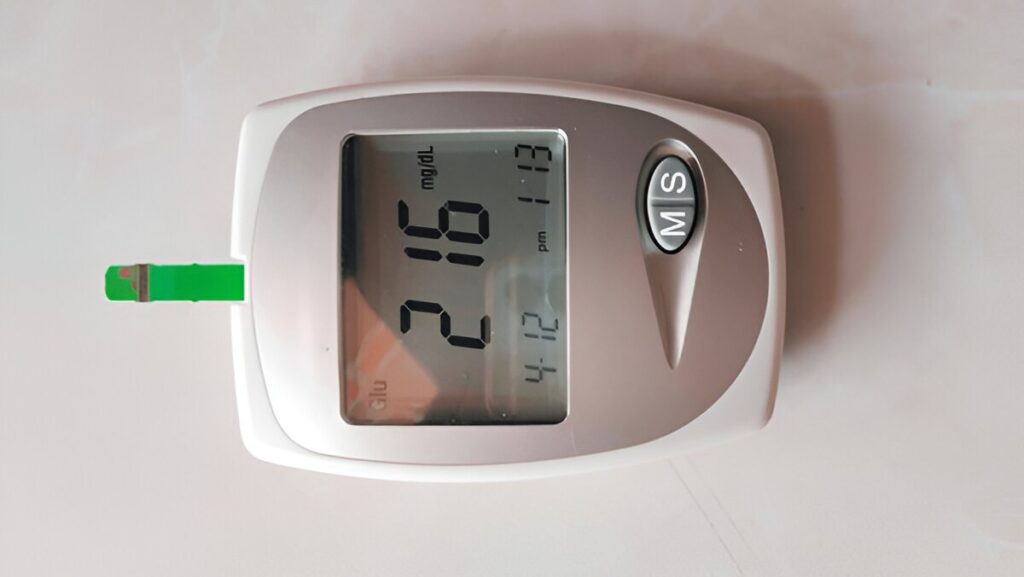
Blood sugar imbalance often shows up in everyday life long before it appears in lab results. If you’re experiencing several of these signs regularly, your body may be sending a signal worth paying attention to:
| Symptom | Why It Happens |
|---|---|
| Afternoon energy crash (2–4 PM) | Post-meal glucose spike followed by sharp drop |
| Strong cravings for sugar or refined carbs | The brain demanding quick glucose when blood sugar dips |
| Brain fog after meals | Glucose flooding the bloodstream disrupts neurological function |
| Difficulty losing belly fat | Elevated insulin promotes fat storage, especially visceral fat |
| Feeling hungry 1–2 hours after eating | Poor glucose regulation means energy from food is used inefficiently |
| Increased thirst and frequent urination | Kidneys filtering excess glucose from the blood |
| Mood swings or irritability | Blood sugar fluctuations directly impact neurotransmitter levels |
| Waking up at night (2–3 AM) | Blood sugar dip during sleep triggers cortisol release, causing waking |
| Slow wound healing | Elevated glucose impairs circulation and immune function |
Important Note: These symptoms are not diagnostic. If you’re concerned about your blood sugar, always consult a licensed healthcare provider and request a fasting glucose or HbA1c test.
The 5 Biggest Mistakes People Over 40 Make With Blood Sugar
Understanding what not to do is just as valuable as knowing what to do:
Mistake 1: Applying “What Worked in Your 30s”
Many people over 40 continue eating and exercising the same way they did when younger — and are confused by the declining results. The metabolic environment of your 40s is fundamentally different. Portion sizes that were fine at 32 may now cause significant blood sugar elevation at 44.
Mistake 2: Waiting for Symptoms to Worsen
Prediabetes — fasting blood glucose between 100–125 mg/dL — produces few if any obvious symptoms. By the time many people seek help, they’ve been in this range for years. Intervening early, when glucose is slightly elevated but not yet at diabetic levels, produces dramatically better outcomes.
Mistake 3: Relying Exclusively on Cutting Sugar
Eliminating sweets and soda is a positive step — but blood sugar is affected by all carbohydrates, not just sugar. White rice, bread, crackers, pasta, and even some “healthy” foods like fruit juice and granola can cause significant spikes in people with declining insulin sensitivity.
Mistake 4: Neglecting Strength Training
Cardio exercise is often prioritized — but resistance training is arguably more important for blood sugar. Building and maintaining muscle mass is the single most effective long-term strategy for improving insulin sensitivity, because muscle tissue is the body’s primary glucose sink.
Mistake 5: Ignoring Sleep and Stress
Most blood sugar conversations focus on food and exercise. But chronic poor sleep and unmanaged stress are independently associated with significant insulin resistance — and addressing these factors alone can meaningfully improve blood sugar levels.
Why “Just Eat Less Sugar” Is Not Enough
The “eat less sugar” advice is a starting point — but it dramatically oversimplifies what’s happening physiologically in adults over 40.
Healthy blood sugar regulation depends on at least five interconnected factors:
- Glycemic load of meals — Not just sugar content, but how quickly and how much all carbohydrates raise blood glucose
- Insulin sensitivity of cells — How well cells respond to insulin’s signal
- Muscle mass available to absorb glucose — More muscle = better glucose clearance
- Liver glucose output regulation — A well-regulated liver doesn’t dump excess glucose into the bloodstream
- Gut microbiome composition — Certain bacteria strains actively improve glucose tolerance through short-chain fatty acid production
A person can avoid all added sugar and still have elevated blood sugar if their insulin sensitivity is poor, they have low muscle mass, they’re chronically stressed, or their gut health is compromised. Addressing blood sugar after 40 requires a systems-level approach.
7 Evidence-Based Ways to Naturally Support Blood Sugar After 40
1. Eat in a Way That Slows Glucose Entry
The strategy: Always pair carbohydrates with protein, healthy fat, and fiber. This slows gastric emptying and reduces the rate at which glucose enters the bloodstream — flattening the post-meal spike.
Practical examples:
- Add olive oil or avocado to rice dishes
- Eat a small handful of nuts before fruit
- Start meals with a salad or vegetable before the carbohydrate portion
- Never eat bread or crackers alone as a snack
Research published in Diabetes Care found that consuming vegetables before carbohydrates at a meal reduced post-meal blood glucose by up to 38% compared to eating carbohydrates first.
2. Prioritize Resistance and Strength Training
The strategy: Build and maintain skeletal muscle to increase the body’s glucose-clearing capacity.
Muscle tissue acts like a sponge for glucose — particularly during and after exercise, when GLUT4 transporters are activated independently of insulin (a significant benefit for people with insulin resistance).
Aim for 2–4 resistance training sessions per week, targeting all major muscle groups. Even bodyweight exercises like squats, push-ups, and lunges are effective if weights are unavailable.
3. Take Short Walks After Meals
The strategy: A 10–15 minute walk after eating measurably reduces the post-meal blood sugar spike.
Research from Sports Medicine found that light walking after meals reduced post-meal blood glucose by 12% more than a single longer walk taken at another time of day. The muscle contractions during walking activate glucose transport independently of insulin.
4. Optimize Sleep Quality
The strategy: Aim for 7–9 hours of consistent, high-quality sleep. Address sleep architecture, not just duration.
Practical steps:
- Keep sleep and wake times consistent (even on weekends)
- Keep the bedroom cool and dark
- Avoid screens 60 minutes before bed (blue light suppresses melatonin and disrupts deep sleep)
- Limit alcohol — it fragments sleep architecture even if it helps you fall asleep
5. Reduce and Manage Chronic Stress
The strategy: Implement at least one daily stress-reduction practice that works for you.
Cortisol directly raises blood glucose. Even low-level chronic stress — the kind created by work pressure, relationship tension, or financial worry — creates a sustained hormonal environment that impairs insulin function.
Evidence-backed options include:
- Mindfulness meditation (even 10 minutes/day reduces cortisol)
- Deep breathing (diaphragmatic breathing) — activates the parasympathetic nervous system
- Yoga — shown in multiple studies to improve both insulin sensitivity and HbA1c
- Nature exposure — spending time outdoors reduces cortisol and improves mood
6. Support Your Gut Microbiome
The strategy: Feed beneficial gut bacteria that produce short-chain fatty acids (SCFAs) like butyrate — compounds that improve insulin sensitivity and reduce intestinal glucose absorption.
Foods that support a glucose-friendly microbiome:
- Prebiotic fiber: Garlic, onion, leeks, asparagus, oats, green bananas
- Fermented foods: Unsweetened yogurt, kefir, kimchi, sauerkraut, miso
- Polyphenol-rich foods: Berries, dark chocolate (85%+), olive oil, green tea
7. Consider Targeted Nutritional Support
The strategy: Specific nutrients and botanical extracts have clinical research behind their ability to support glucose metabolism, insulin sensitivity, and blood sugar balance.
Key ingredients to look for include:
| Ingredient | Mechanism | Evidence |
|---|---|---|
| Berberine | Activates AMPK, similar mechanism to metformin | Multiple RCTs; significant HbA1c reduction |
| Chromium Picolinate | Enhances insulin receptor signaling | Shown to reduce fasting glucose in insulin-resistant adults |
| Gymnema Sylvestre | Reduces glucose absorption from the gut; supports beta cell function | Traditional Ayurvedic use supported by modern research |
| Ceylon Cinnamon | Improves GLUT4 expression and insulin receptor sensitivity | Multiple studies show fasting glucose reduction |
| Alpha Lipoic Acid | Antioxidant that improves insulin sensitivity and reduces oxidative stress | Used clinically in Europe for diabetic neuropathy |
| Maqui Berry | Rich in anthocyanins that reduce glucose absorption after meals | Specific delphinidin content shown to support blood sugar |
🔗 Recommended Reading: What to Look for in a Blood Sugar Supplement — JustHealthix Complete Guide

How Supplements Fit Into a Blood Sugar Support Plan
Supplements are not medications. They don’t replace lifestyle changes, and they are not treatments for diabetes or prediabetes. What they can do — when formulated with research-backed ingredients at effective doses — is provide targeted nutritional support that fills gaps in your diet and provides extra metabolic assistance.
For people over 40 who are eating reasonably well, exercising, and still finding blood sugar difficult to manage, a well-formulated blood sugar support supplement can be a meaningful addition to their daily routine.
One supplement that has generated significant attention among adults over 40 in the US is GlucoBerry — a doctor-formulated blood sugar support product that targets a mechanism many other products overlook: the kidney’s role in blood sugar drainage.
What Makes GlucoBerry Different?
Traditional blood sugar supplements focus on insulin sensitivity or glucose absorption. GlucoBerry’s formulation is based on research from Johns Hopkins scientists who identified a blood sugar-draining protein in the kidneys (SG2). When this protein becomes clogged — a common issue in adults over 40 — excess blood sugar can’t be properly filtered out of the blood.
GlucoBerry’s key ingredients include:
- Maqui Berry Extract — a potent source of delphinol, shown to clear the SG2 protein and support kidney filtration
- Chromium — supports insulin receptor sensitivity
- Biotin — a B-vitamin critical for glucose metabolism
- Gymnema Leaf — reduces sugar absorption and supports healthy insulin function
🔗 Full breakdown: GlucoBerry Review: Does It Really Work for Blood Sugar After 40? — JustHealthix
Always choose supplements that are:
- Manufactured in an FDA-registered, GMP-certified facility
- Made with clinically-researched ingredients at disclosed doses
- Backed by genuine customer reviews
- Free of proprietary blends that hide ingredient quantities
What Customers Over 40 Actually Say About Their Blood Sugar Journey
Real people managing blood sugar after 40 often describe a turning point — when they stopped relying on willpower alone and started understanding their biology:
⭐⭐⭐⭐⭐ — Sandra K., 52, Phoenix AZ “I was diagnosed with prediabetes at 48 and thought I was just destined for diabetes. My doctor recommended lifestyle changes but didn’t give me much specific guidance. I found this article and started focusing on meal sequencing and post-meal walks first — then added GlucoBerry three months ago. My last fasting glucose came back at 97 mg/dL. Down from 112. I cried at the doctor’s office.”
⭐⭐⭐⭐⭐ — Robert M., 47, Austin TX “The biggest eye-opener for me was learning that muscle mass affects blood sugar so much. I started lifting weights twice a week and doing 15-minute walks after dinner. Combined with a blood sugar supplement, I’ve lost 11 pounds of belly fat and my energy through the day is completely different. No more 3 PM crashes.”
⭐⭐⭐⭐ — Patricia L., 55, Charlotte NC “I’m postmenopausal and the hormonal changes completely changed how my body handles carbs. I used to eat pasta and feel fine. Now a large pasta dinner wrecks me. The information on meal composition — pairing carbs with protein and fat — has genuinely changed how I cook. And the GlucoBerry supplement I found through JustHealthix has helped me feel more stable day to day.”
⭐⭐⭐⭐⭐ — James W., 43, Seattle WA “I was skeptical about supplements but I read the research on Maqui Berry and the kidney drainage angle. It’s different from everything else I’d seen. Three months in, my blood sugar numbers are the best they’ve been in five years. My doctor was genuinely surprised.”
⭐⭐⭐⭐ — Denise F., 61, Nashville TN “What I appreciate most is finally understanding WHY it got harder. I wasn’t failing. My body changed. That shift in mindset, combined with actual strategies that work for a 60-year-old body — not a 30-year-old’s — made all the difference.”
Frequently Asked Questions
Q1: Why does blood sugar rise between ages 40 and 50?
Blood sugar tends to rise between 40 and 50 due to a combination of declining insulin sensitivity, loss of skeletal muscle mass (the body’s primary glucose sink), slower metabolism, hormonal shifts (particularly estrogen in women and testosterone in men), and age-related changes in gut microbiome composition. These factors collectively reduce the body’s ability to efficiently process and clear glucose from the bloodstream.
Q2: What is a healthy blood sugar level for adults aged 40–50?
For adults aged 40–50, a healthy fasting blood glucose is generally between 70–99 mg/dL. A fasting level between 100–125 mg/dL indicates prediabetes; 126 mg/dL or above on two separate tests indicates diabetes. Post-meal blood sugar (2 hours after eating) should ideally be under 140 mg/dL. These ranges apply regardless of age — but staying in the healthy range becomes harder to achieve naturally after 40.
Q3: Can blood sugar be reversed or improved after age 40?
Yes — particularly in the prediabetes range, blood sugar can be meaningfully improved and sometimes fully normalized through targeted lifestyle intervention. The landmark Diabetes Prevention Program (DPP) study found that intensive lifestyle modification (diet and exercise) reduced progression from prediabetes to type 2 diabetes by 58% in adults — including those over 40. The key is early, consistent action.
Q5: Is insulin resistance after 40 reversible?
Insulin resistance is not a one-way door. Multiple studies demonstrate significant improvements in insulin sensitivity through resistance training, weight loss (particularly visceral fat reduction), improved sleep, stress management, and targeted nutritional support. While aging-related changes cannot be completely halted, they can be substantially mitigated with consistent effort.
Q-5: Is it normal to become insulin-resistant after age 40?
The biggest culprits for adults over 40 with declining insulin sensitivity include: white bread and refined grains, white rice, sugary beverages (including 100% fruit juice), breakfast cereals, flavored yogurt (with added sugar), alcohol (especially beer and sweet cocktails), and high-starch vegetables like potatoes when eaten in large portions without fat or protein to slow absorption.
Q6: Are blood sugar supplements safe for people over 40?
Many blood sugar support supplements use natural plant-based ingredients with strong safety profiles. However, always consult your healthcare provider before starting any supplement — particularly if you’re on medications like metformin, blood pressure medication, or blood thinners, as some botanical ingredients can interact with these. Choose products from GMP-certified manufacturers with transparent ingredient lists.
Q7: How quickly can lifestyle changes affect blood sugar?
Some improvements happen rapidly: a single bout of exercise can lower blood glucose within hours. Post-meal walking has measurable effects the same day. Sustained improvements in fasting glucose and HbA1c typically require 8–12 weeks of consistent lifestyle change to show in lab results. Blood sugar support supplements generally show meaningful effects within 60–90 days of consistent use.
Q8: Does menopause make blood sugar harder to control?
Yes — significantly. The drop in estrogen during perimenopause and menopause directly worsens insulin sensitivity. Many women notice that foods they previously tolerated well begin causing spikes or energy crashes during this hormonal transition. Supporting blood sugar becomes especially important for women in their late 40s and 50s.
Final Thoughts on Blood Sugar Control After 40
If controlling your blood sugar after 40 feels harder than it used to — you’re not imagining it, and you’re not failing. You’re experiencing a documented, physiological shift in how your body handles glucose. The combination of declining muscle mass, worsening insulin sensitivity, hormonal changes, and accumulating oxidative stress creates a genuinely more challenging metabolic environment.
But here’s what’s equally true: these changes are manageable. The body’s glucose regulation systems remain responsive to the right inputs — smarter nutrition, consistent movement (especially resistance training), quality sleep, stress reduction, and targeted nutritional support.
The key is to stop applying 30-year-old solutions to a 40-something body, and instead understand what your biology actually needs now.
Your action steps, starting today:
- ✅ Start pairing every carbohydrate with protein, fat, or fiber
- ✅ Take a 10–15 minute walk after your largest meal
- ✅ Add resistance training 2x per week
- ✅ Prioritize 7–8 hours of sleep with consistent timing
- ✅ Read about targeted nutritional support designed for adults over 40
🔗 Start Here: GlucoBerry Full Review — Is It the Right Blood Sugar Supplement for You? | JustHealthix.com
🔗 Also Read: Best Natural Supplements for Blood Sugar Control in 2026 — JustHealthix Roundup
🔗 Related: Blood Sugar Control Article Series — 10-Part Guide for US Adults Over 40 | JustHealthix
This article is for informational purposes only and does not constitute medical advice. Always consult a qualified healthcare provider for diagnosis and treatment of blood sugar conditions.